Why King Charles Cannot Evict Brother Prince Andrew from Royal Home Despite Giving Up Title
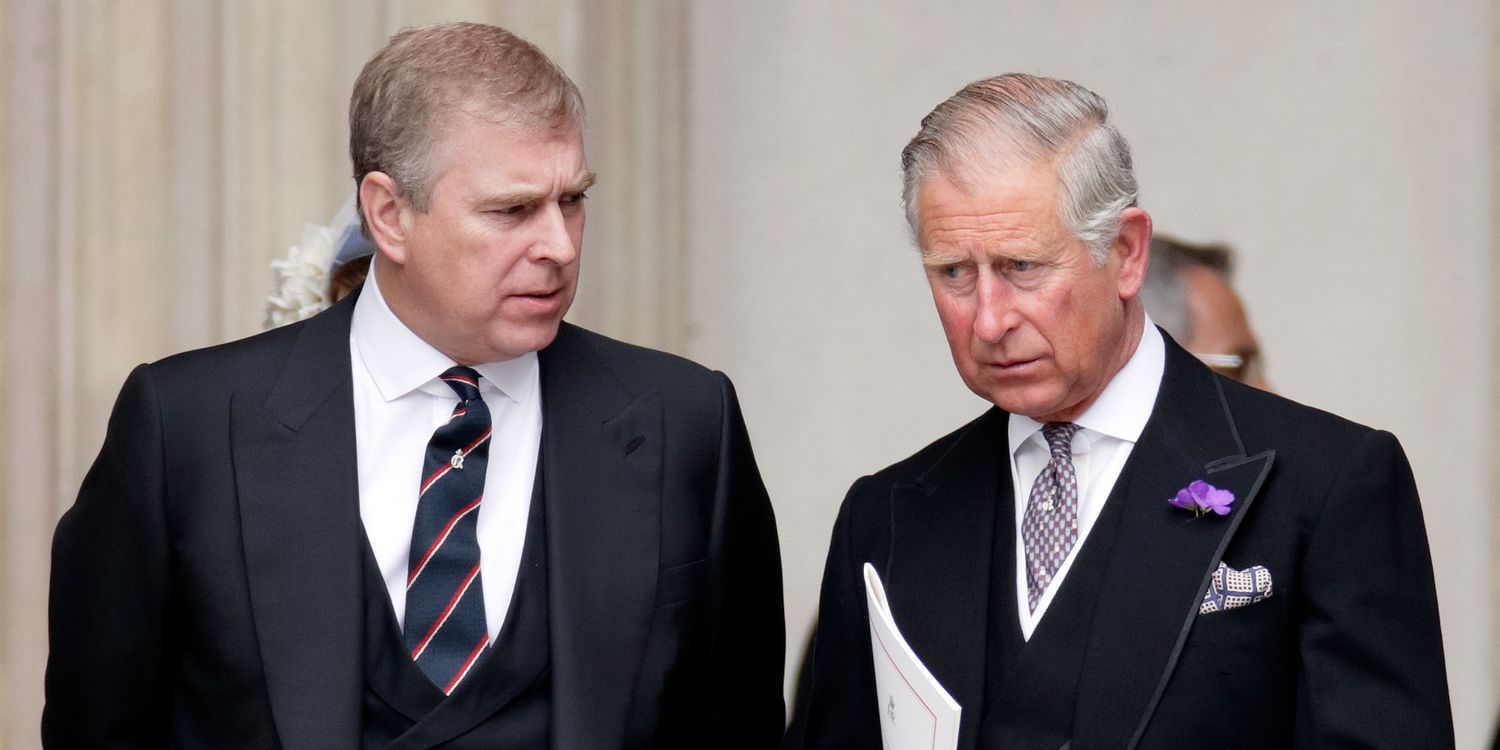
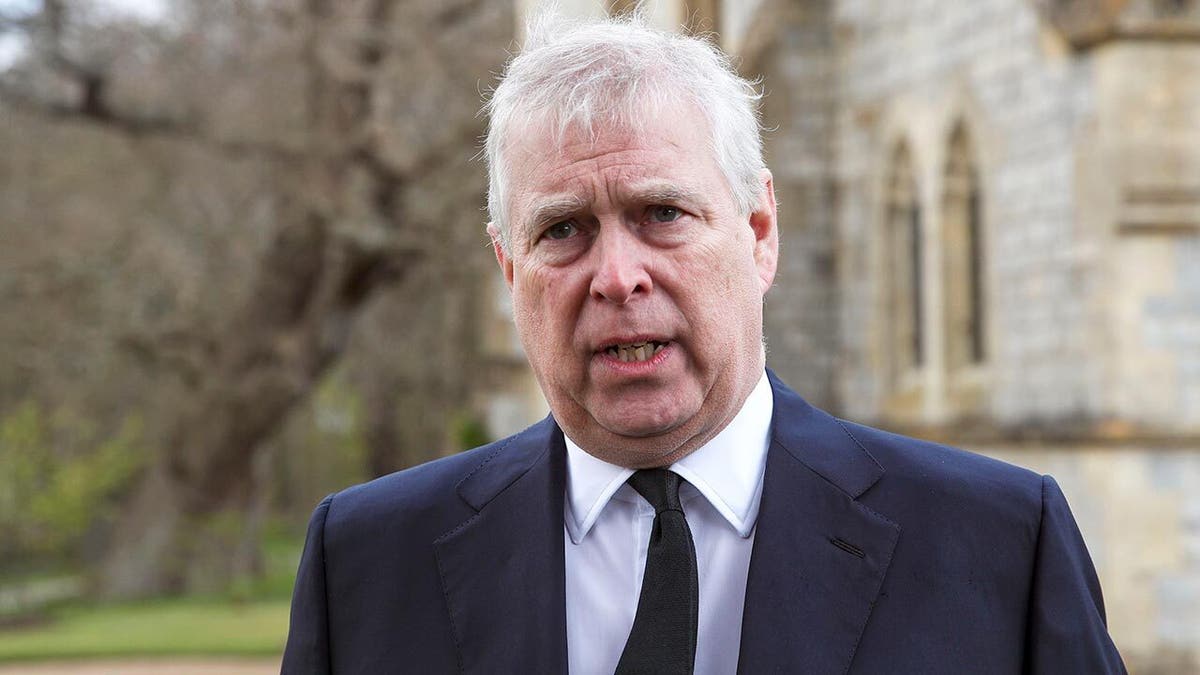
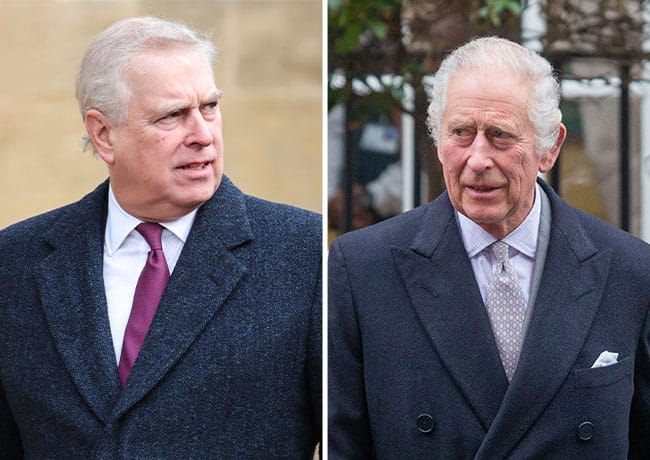
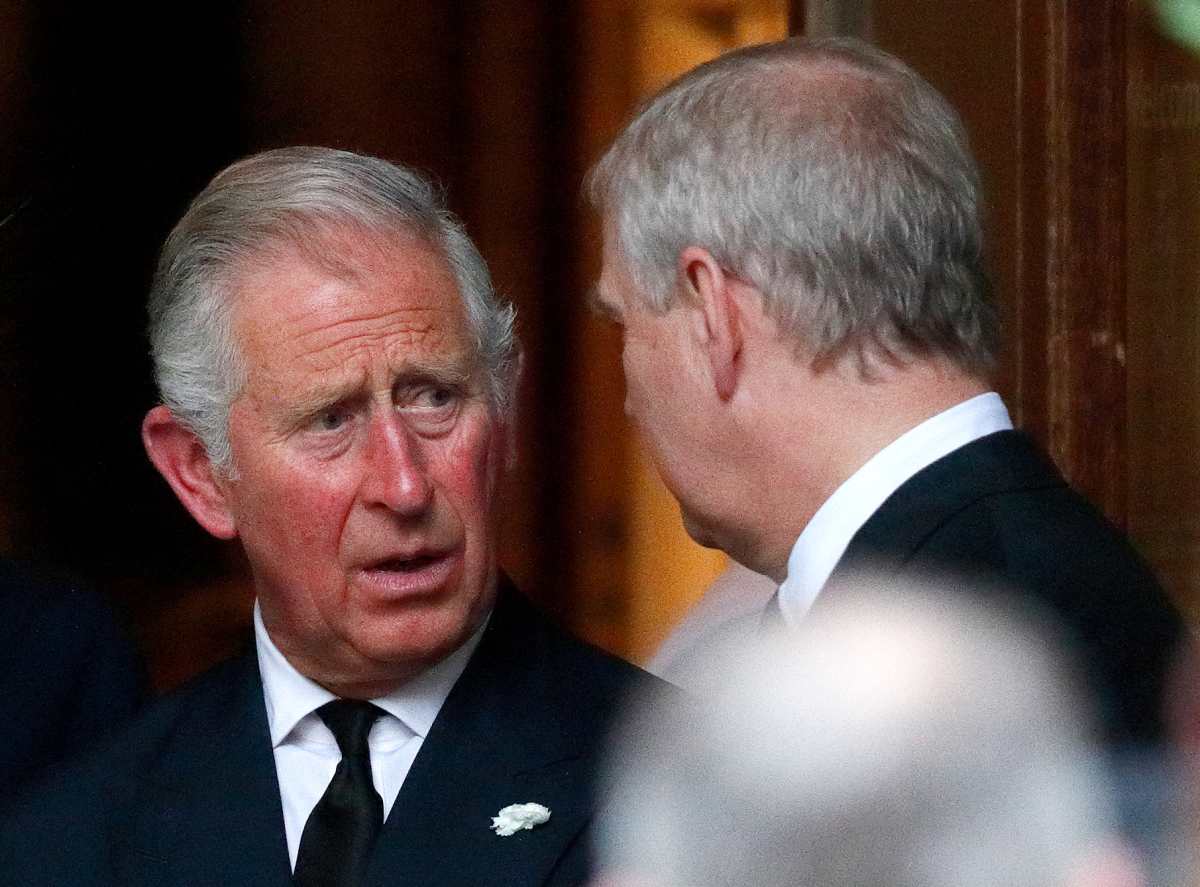
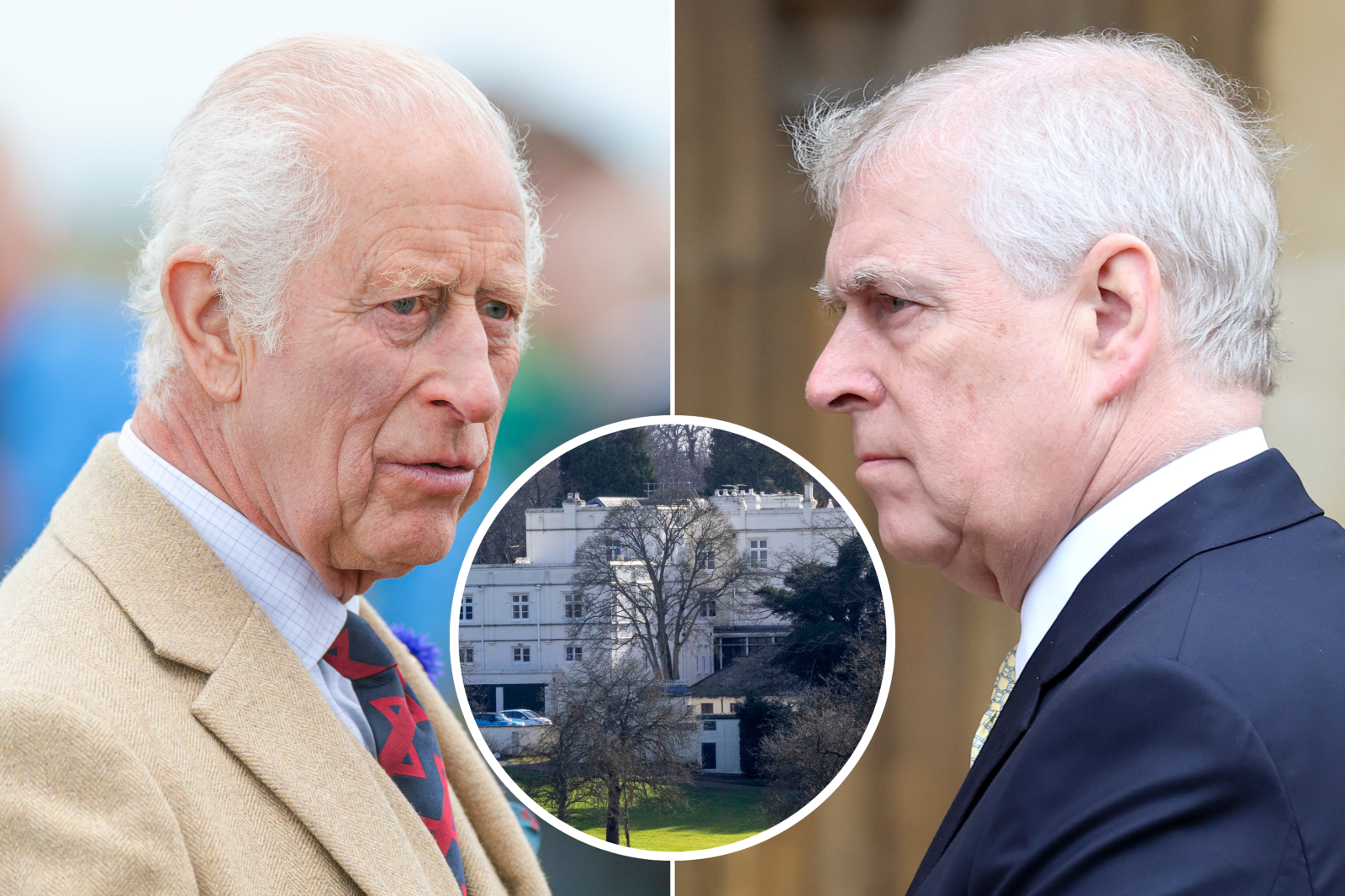
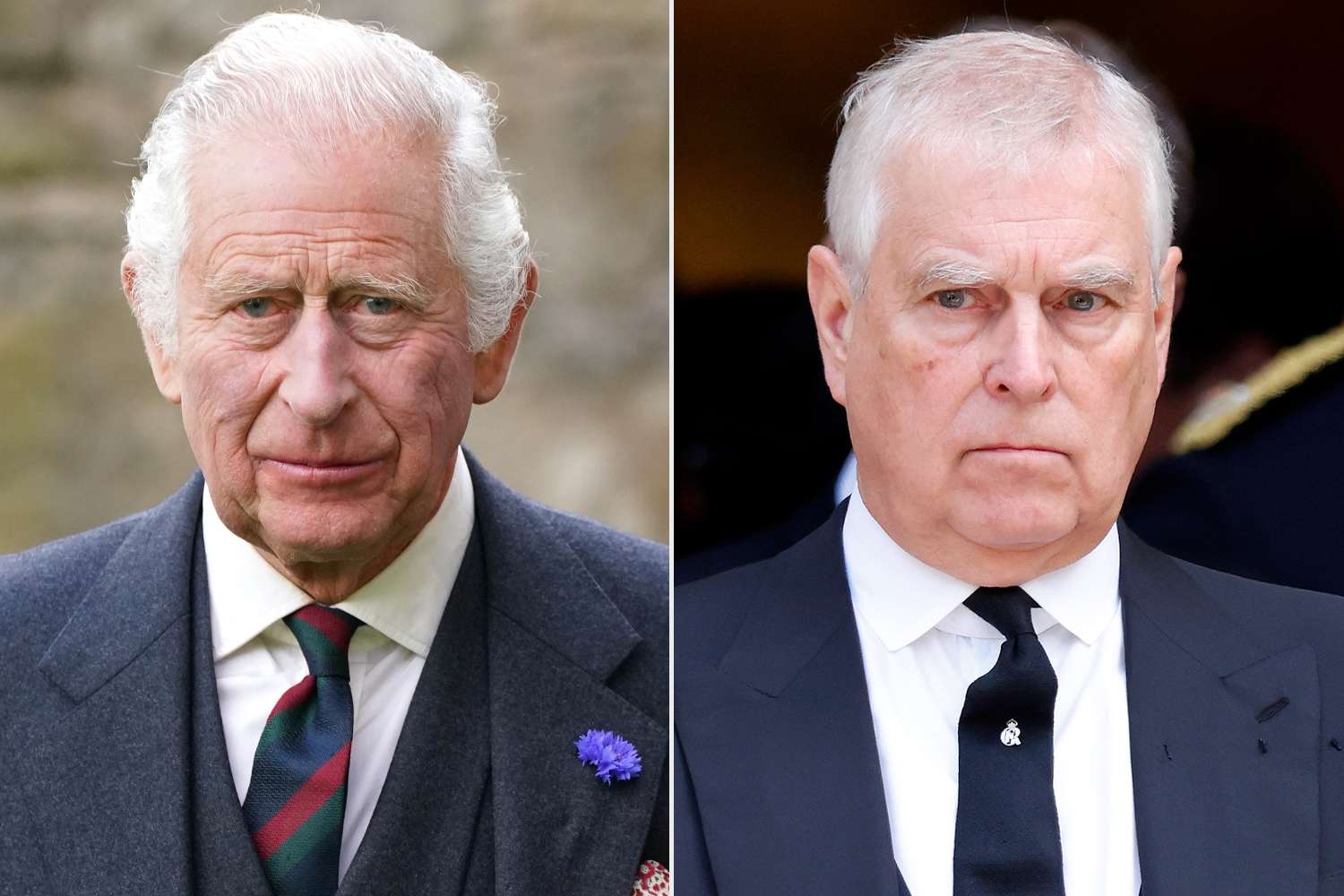
The British royal family has long been a subject of public fascination, with every decision and development scrutinized in detail. One recent topic that has sparked considerable interest is the situation involving King Charles and his brother, Prince Andrew. Despite Prince Andrew stepping back from royal duties and relinquishing his royal title, King Charles cannot evict him from the royal residence they share. This article delves into the reasons behind this unusual circumstance, exploring the legal, traditional, and familial factors that prevent such an eviction.
The Legal and Traditional Reasons Behind Prince Andrew’s Residence
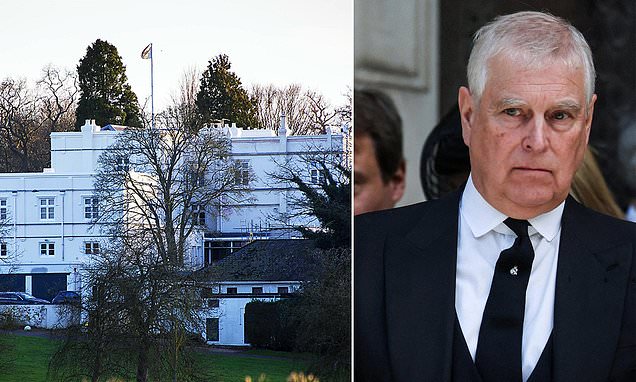
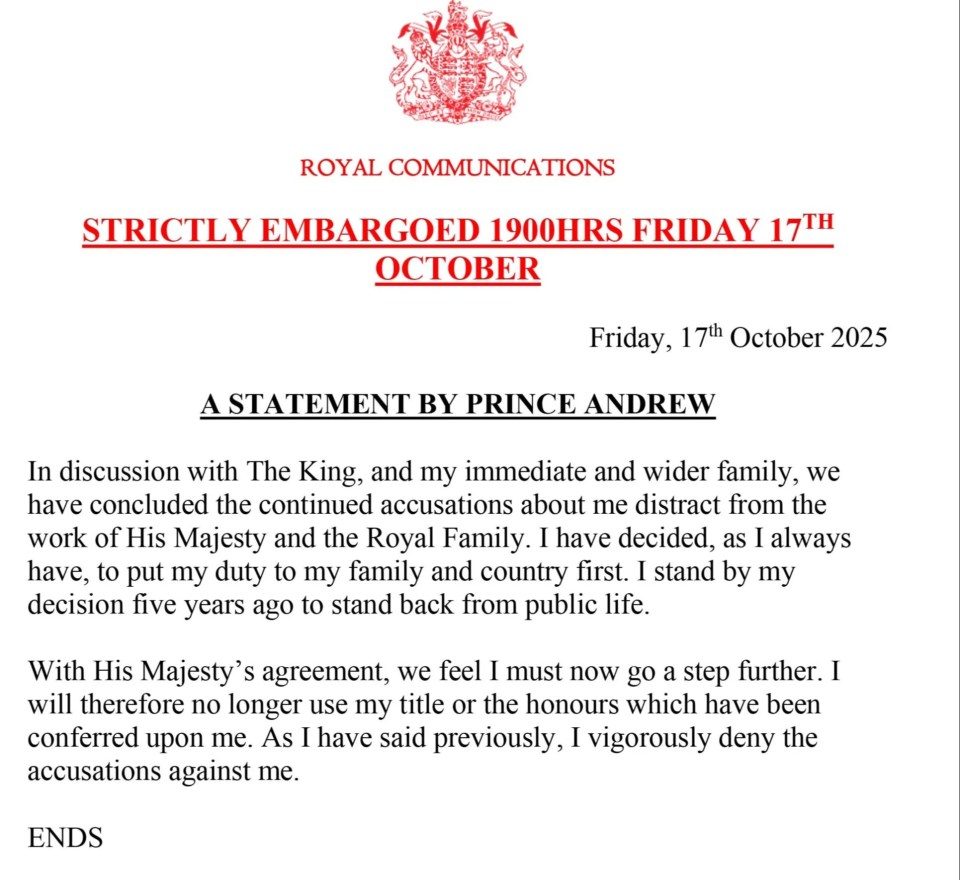
Prince Andrew’s decision to give up his royal title and step back from public duties came amid significant controversy. However, this move does not equate to losing his right to reside in his current royal home. The primary reason lies in the legal ownership and arrangements concerning royal properties.
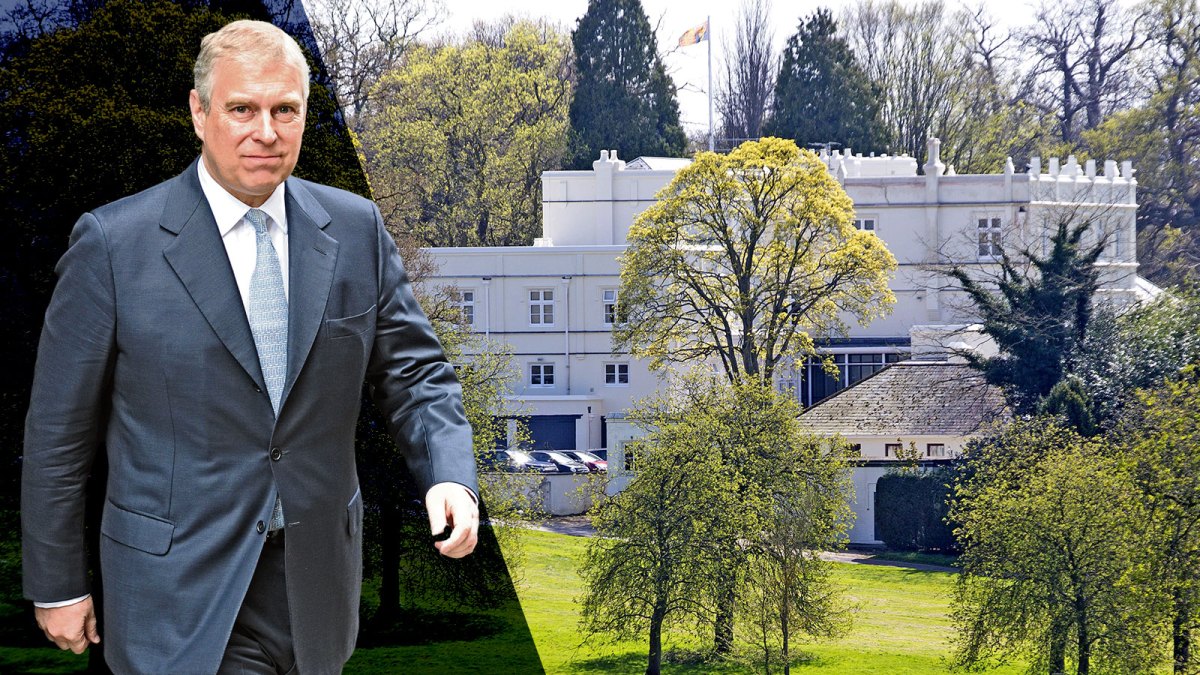
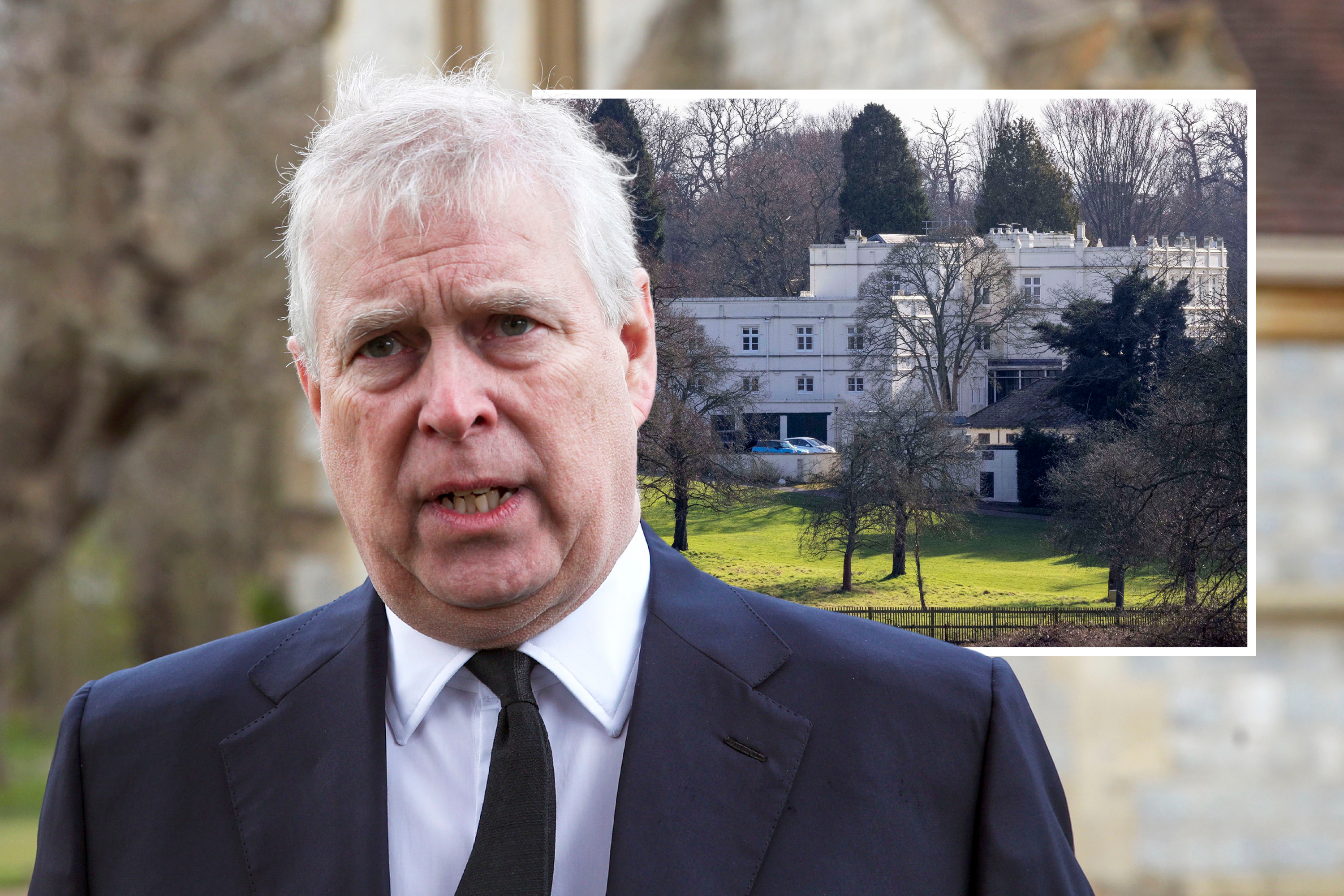
Royal residences such as Royal Lodge in Windsor Great Park, where Prince Andrew lives, are often held in trust or assigned for life to individual members of the royal family. These arrangements are not simply at the discretion of the reigning monarch. Instead, they are governed by long-standing legal agreements and traditions that protect the rights of residents.
Moreover, the royal family operates under a complex system of property rights. Many royal homes are owned by the Crown Estate or are part of the Duchy of Cornwall or Lancaster, but some properties are granted to family members for their lifetime. In Prince Andrew’s case, Royal Lodge was given to him by Queen Elizabeth II in the 1990s as a private residence. This means that King Charles cannot unilaterally demand his brother to leave, as the property is effectively Andrew’s home for life unless he chooses to vacate.
How Prince Andrew’s Status Affects His Living Arrangements
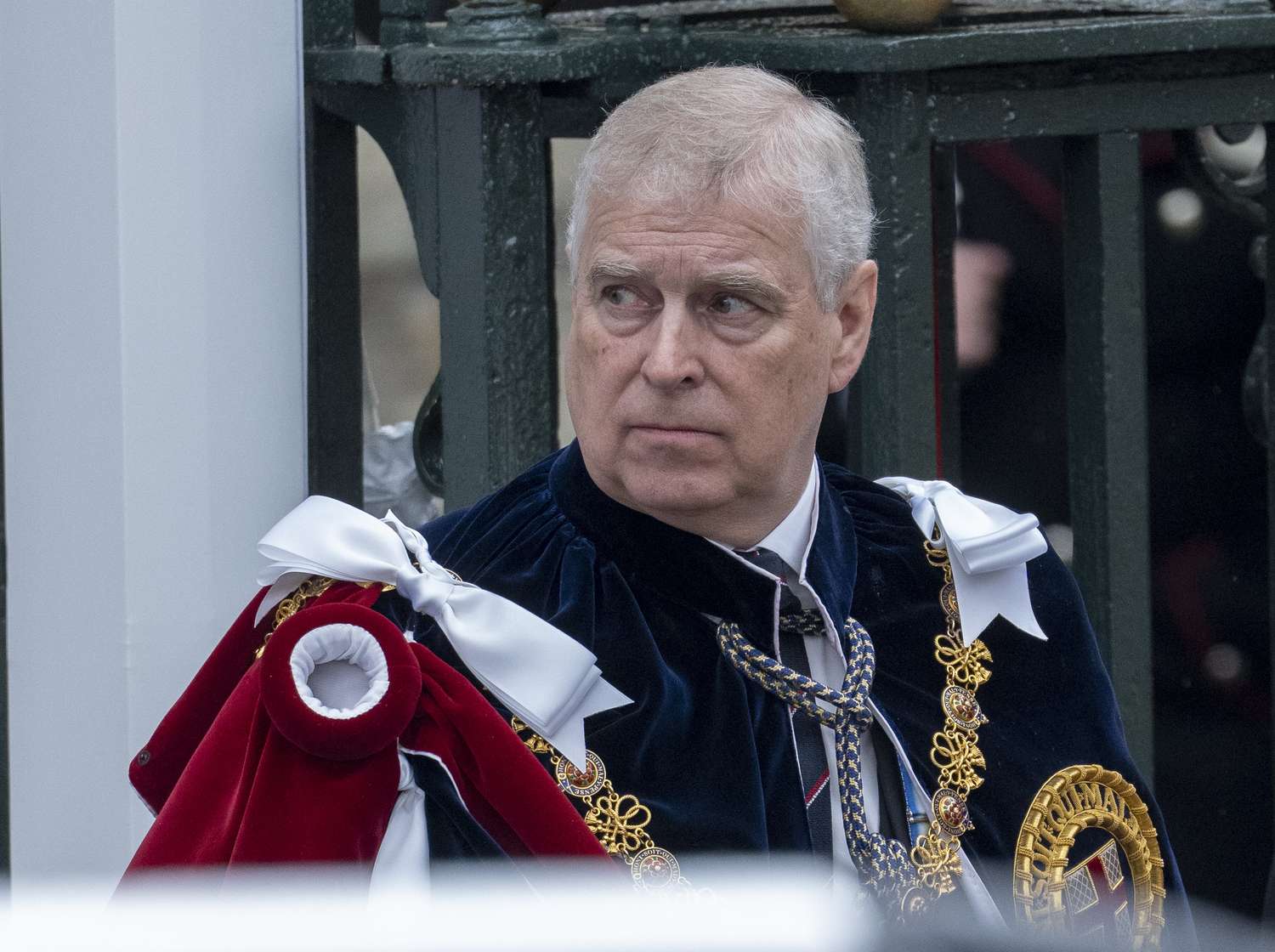
While Prince Andrew no longer carries out official royal duties or uses the style “His Royal Highness,” his living arrangements remain unaffected by these changes. The relinquishment of a title does not automatically translate into losing residency rights. The royal family’s internal protocols and property laws are distinct from titles and public roles.
Additionally, the decision to step back from royal duties was a personal and voluntary one by Prince Andrew, not a legal forfeiture of his property rights. This distinction is crucial because it means that King Charles, despite being the reigning monarch, respects these legal boundaries and family agreements.
Furthermore, the royal family values discretion and privacy, especially concerning internal matters. Publicly forcing a family member out of their home could cause significant discord and attract unwanted media attention. Therefore, maintaining the status quo is often preferred to preserve family unity and public image.
Implications for the Royal Family and Public Perception
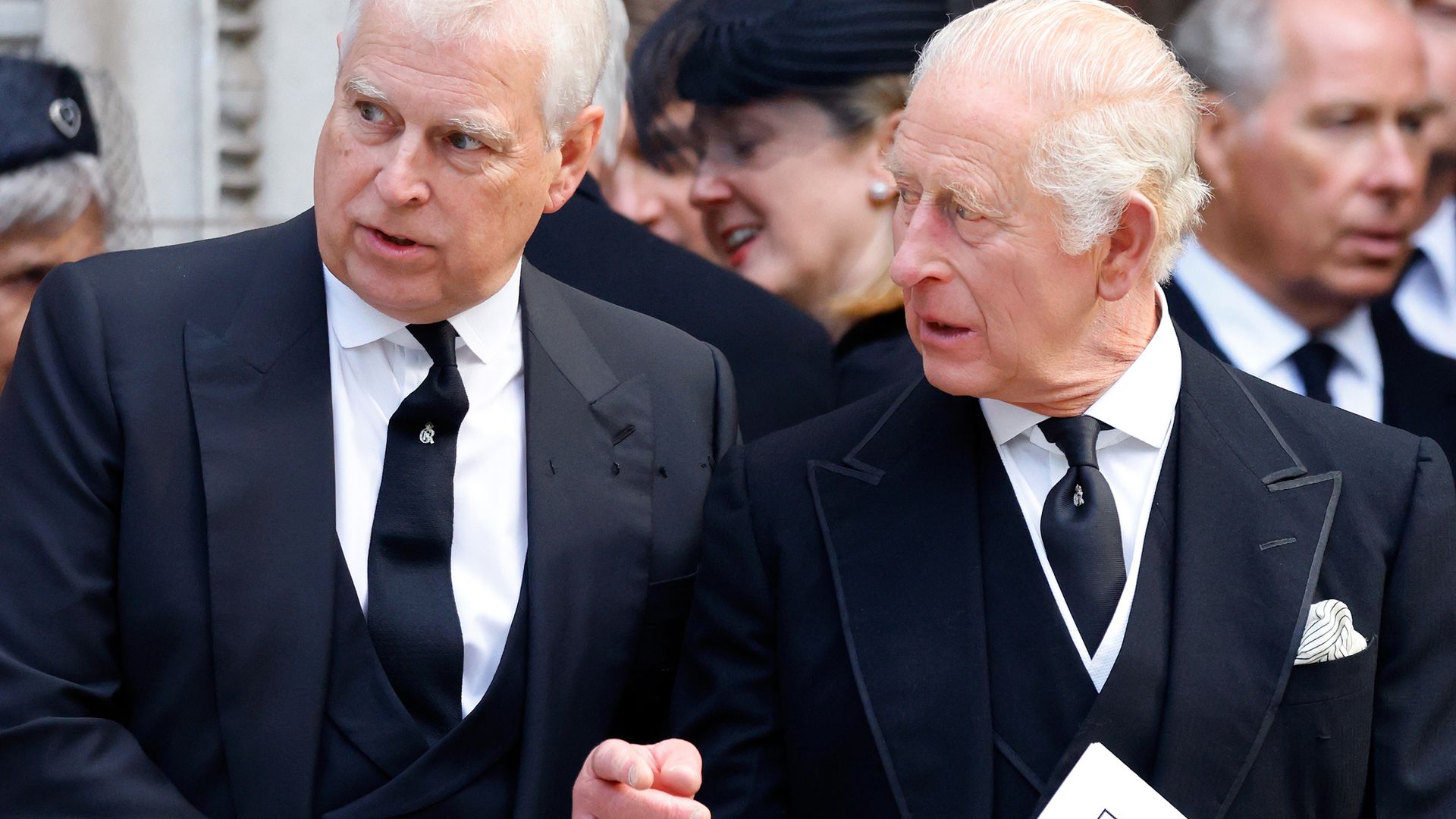
Prince Andrew’s continued residence at Royal Lodge, despite his reduced role, has implications for both the royal family and public perception. It highlights the complexity of balancing tradition, family loyalty, and modern expectations of accountability.
For King Charles, managing this delicate situation involves respecting legal rights while addressing public concerns. The royal family must navigate these challenges carefully to maintain its reputation and ensure smooth functioning.
From a public perspective, the situation may raise questions about privilege and accountability within the monarchy. However, understanding the legal and traditional context helps clarify why eviction is not a straightforward option.
What This Means for Prince Andrew’s Daughters
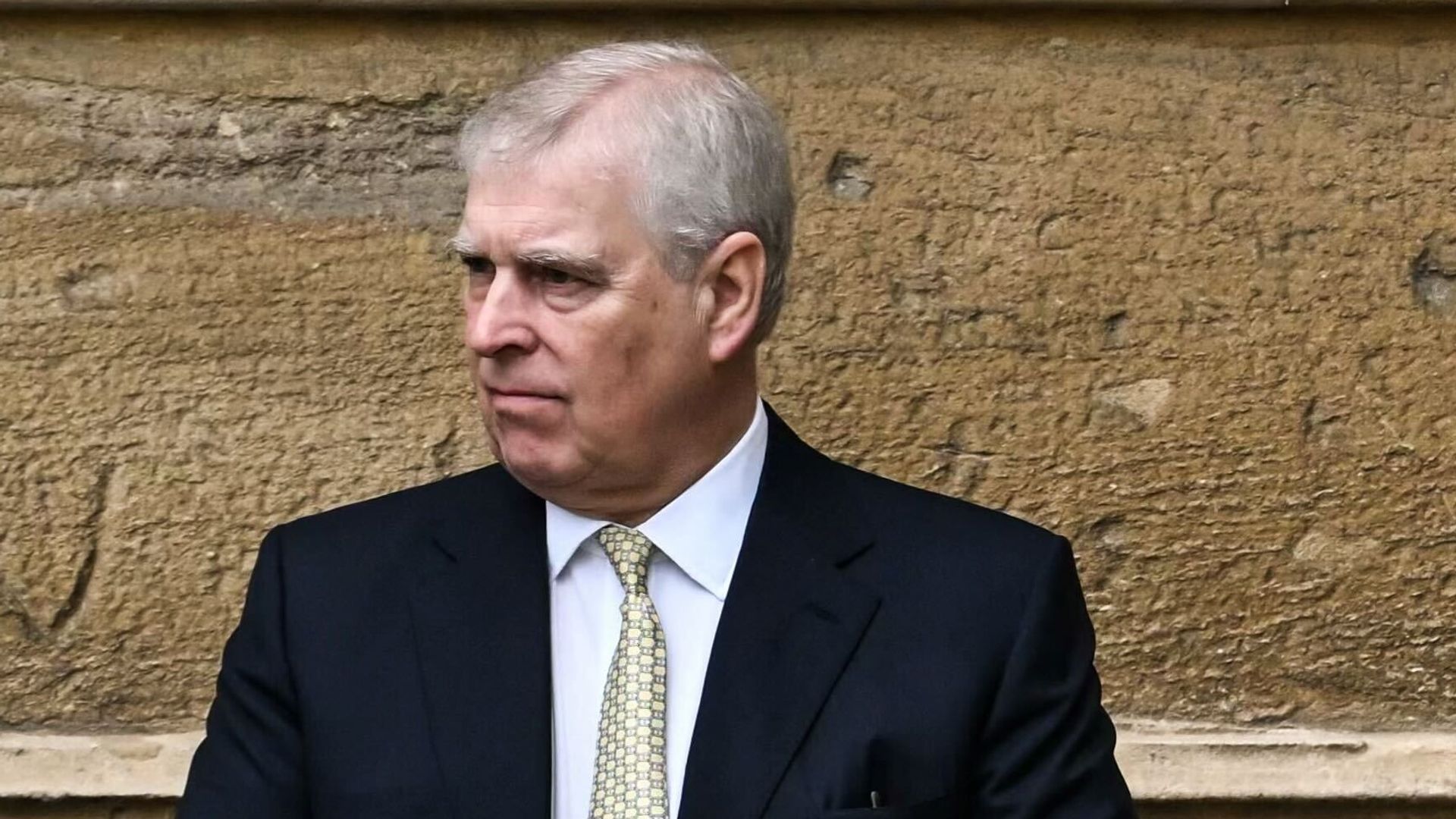
Prince Andrew’s daughters, Princess Beatrice and Princess Eugenie, are also affected by their father’s living arrangements and status. While they continue to carry out royal duties to varying degrees, their father’s position influences their public roles and personal lives.
The stability of their family home provides a sense of continuity amid the changes. It also underscores the importance of family support within the royal institution, even during challenging times.
Conclusion

In summary, King Charles cannot evict Prince Andrew from the royal home despite Andrew giving up his royal title due to legal property rights, traditional arrangements, and family considerations. This unique situation reflects the complexities of the British monarchy, where personal decisions intersect with longstanding protocols. Understanding these factors offers valuable insight into the royal family’s dynamics and the challenges they face in the modern era.
If you want to stay updated on the latest royal family news and insights, be sure to subscribe to our newsletter and follow our expert coverage!