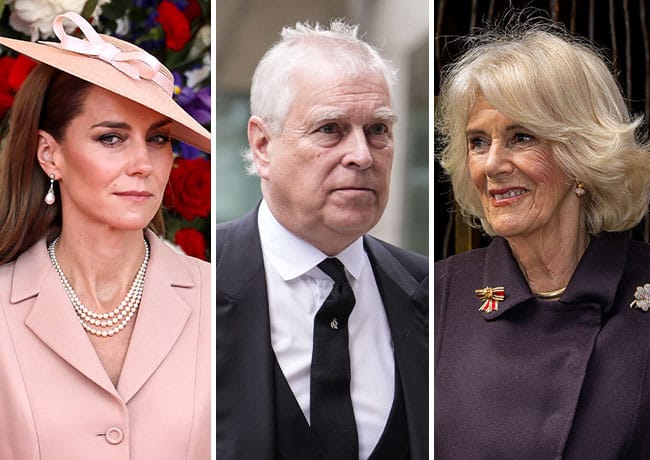
Kate Middleton, ‘Power Behind the Throne,’ Supported King Charles in Stripping Prince Andrew’s Titles: Expert Insight
Kate Middleton’s Influential Role in the Royal Family’s Decision on Prince Andrew
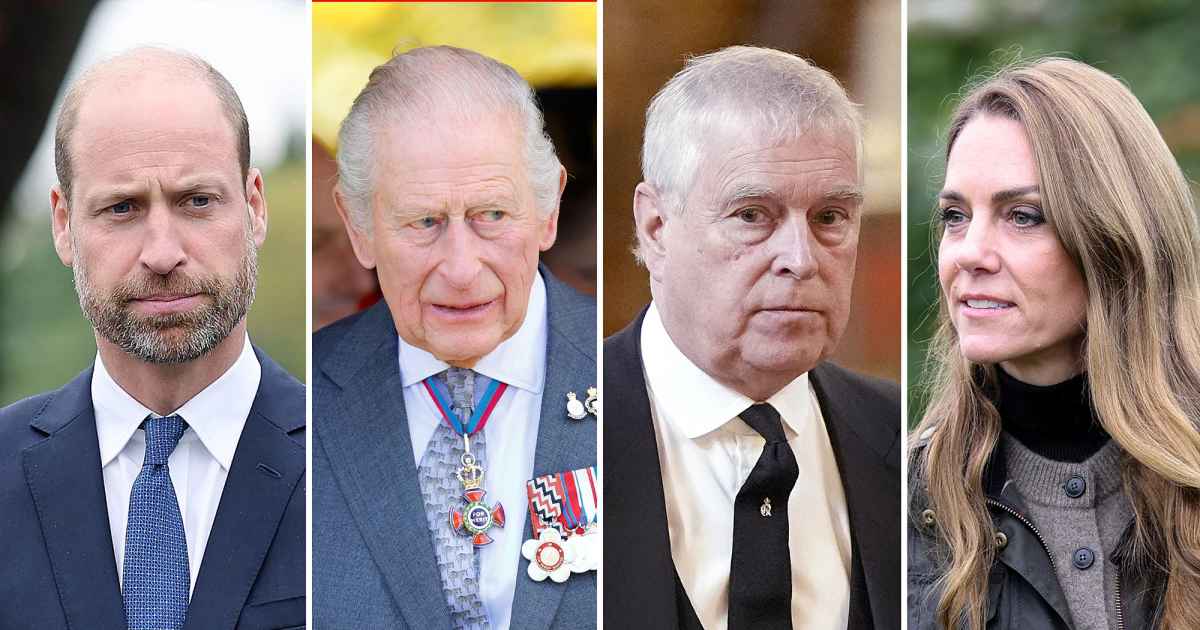
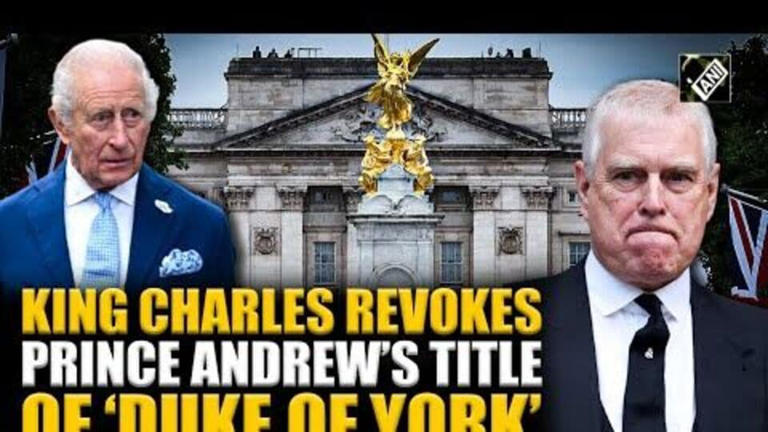
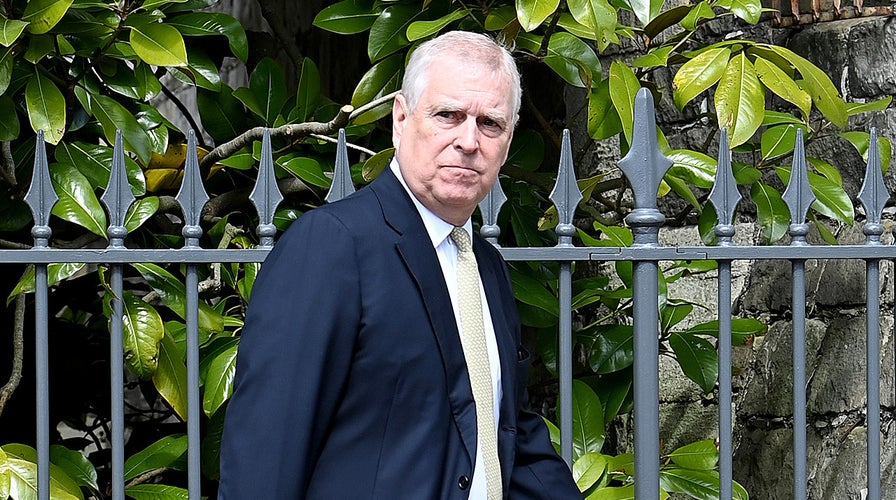
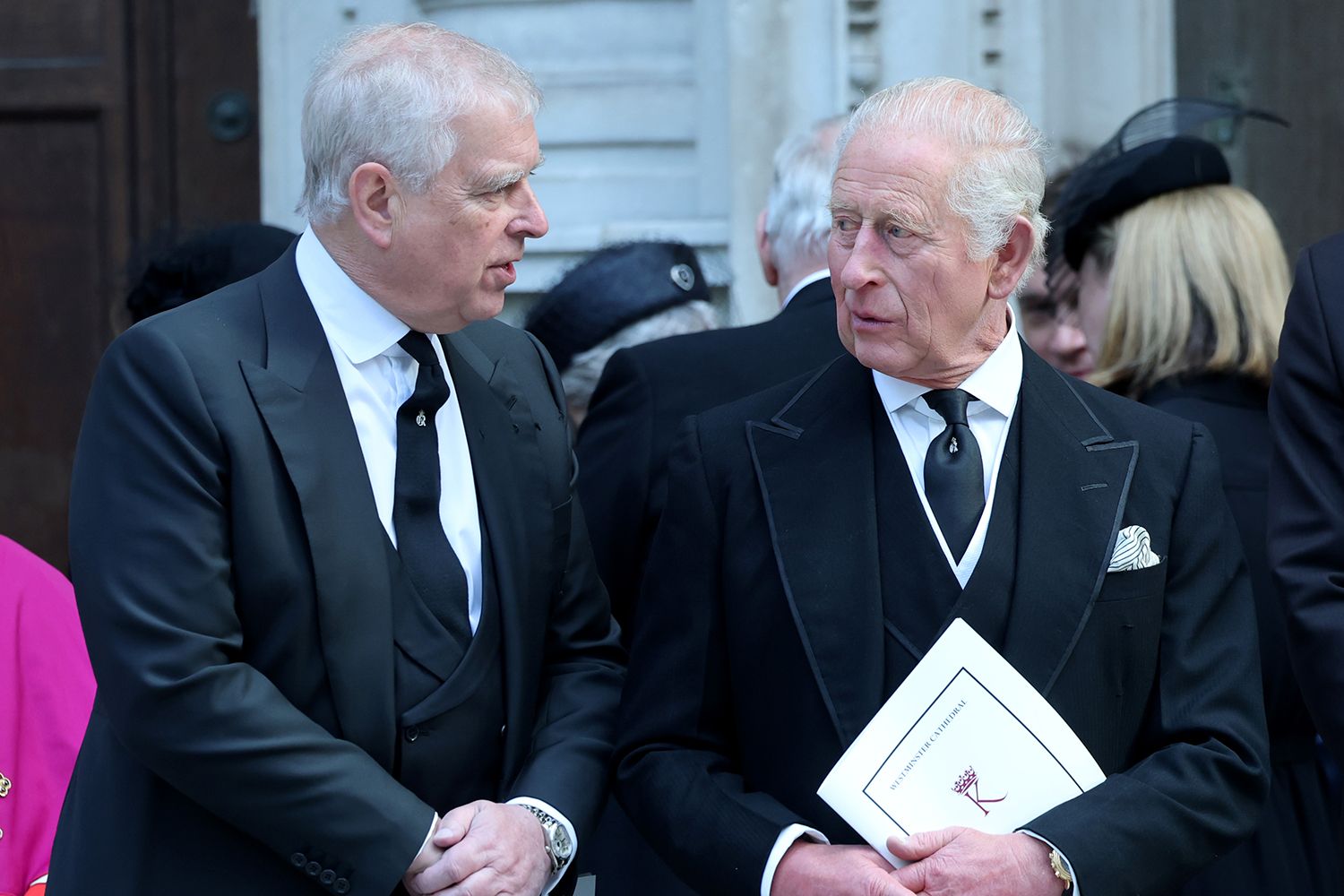
When King Charles III announced the formal removal of Prince Andrew’s royal titles, many were curious about the forces behind this significant decision. Royal experts have since revealed that Kate Middleton, the Princess of Wales, was a key figure supporting the king in this delicate and consequential move. On October 30, Buckingham Palace declared that Prince Andrew would no longer hold the style, titles, or honours previously granted to him, effectively reverting to Andrew Mountbatten Windsor.
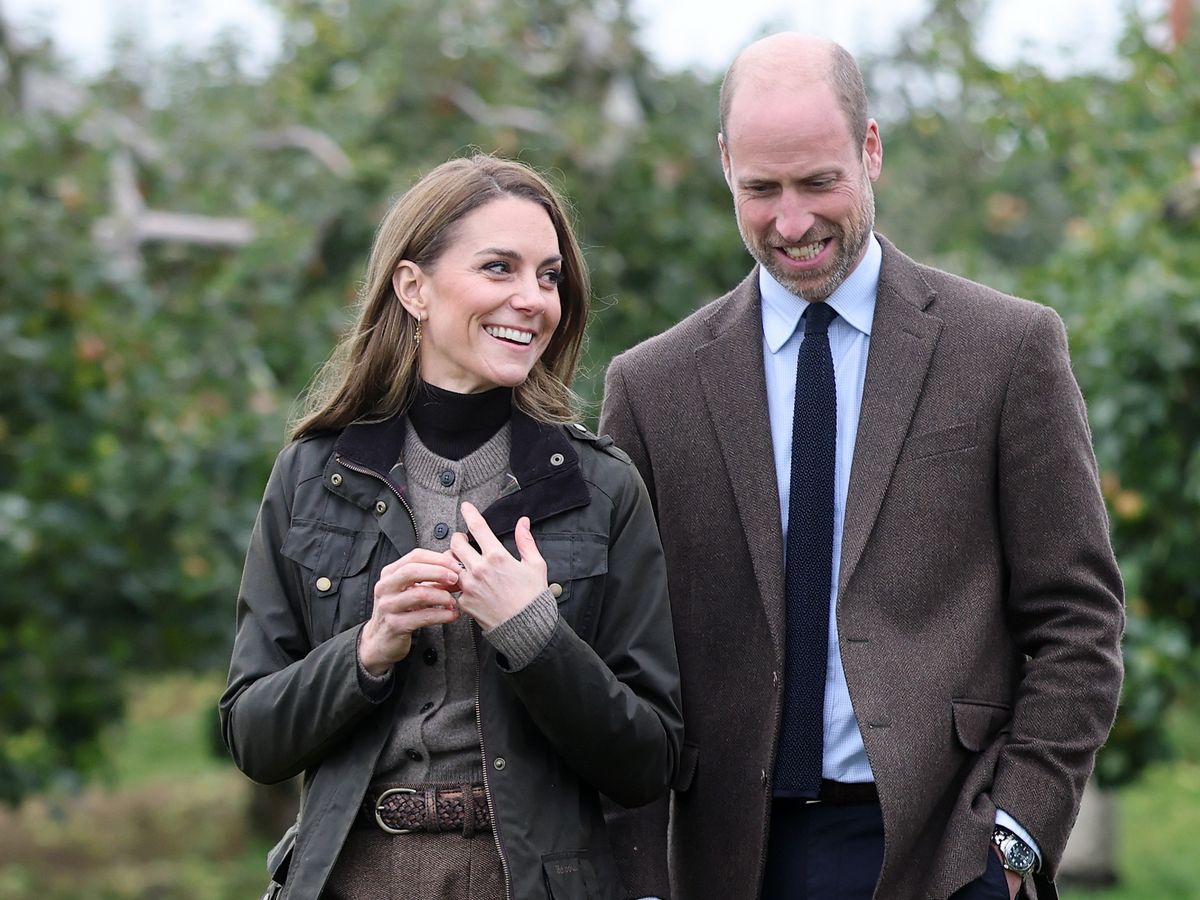
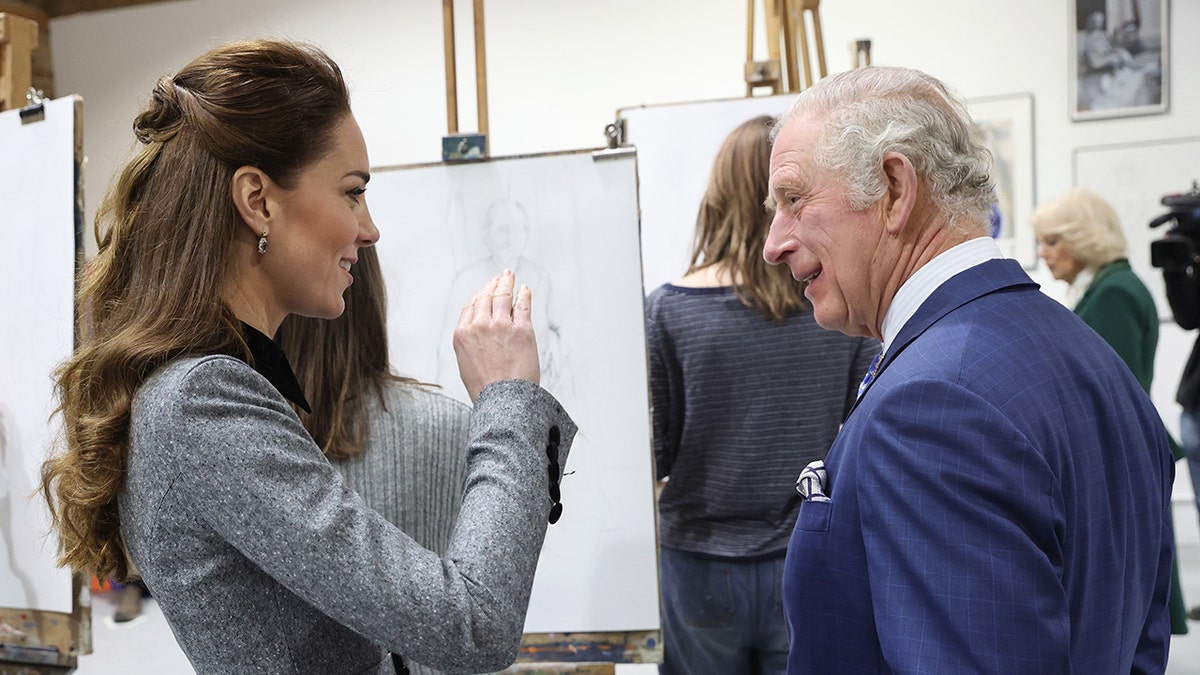
According to royal commentator Ian Pelham Turner, Kate Middleton is widely regarded as the “power behind the throne,” working closely with King Charles and Prince William to protect the monarchy’s reputation and secure its future. Her unwavering commitment to her family’s legacy and her public image has positioned her as a pivotal player in royal affairs. Turner notes that Kate’s influence extends beyond ceremonial duties; she is deeply involved in strategic decisions that affect the royal family’s standing and public perception.
The decision to strip Prince Andrew of his titles was not made lightly. It followed years of controversy surrounding Andrew’s association with convicted sex offender Jeffrey Epstein and allegations of sexual misconduct, which he continues to deny. The royal family’s statement expressed sympathy for victims and survivors of abuse, a message that insiders believe was shaped by Kate’s advocacy and communication skills.
The Dynamics Behind the Scenes: Family, Influence, and Royal Strategy
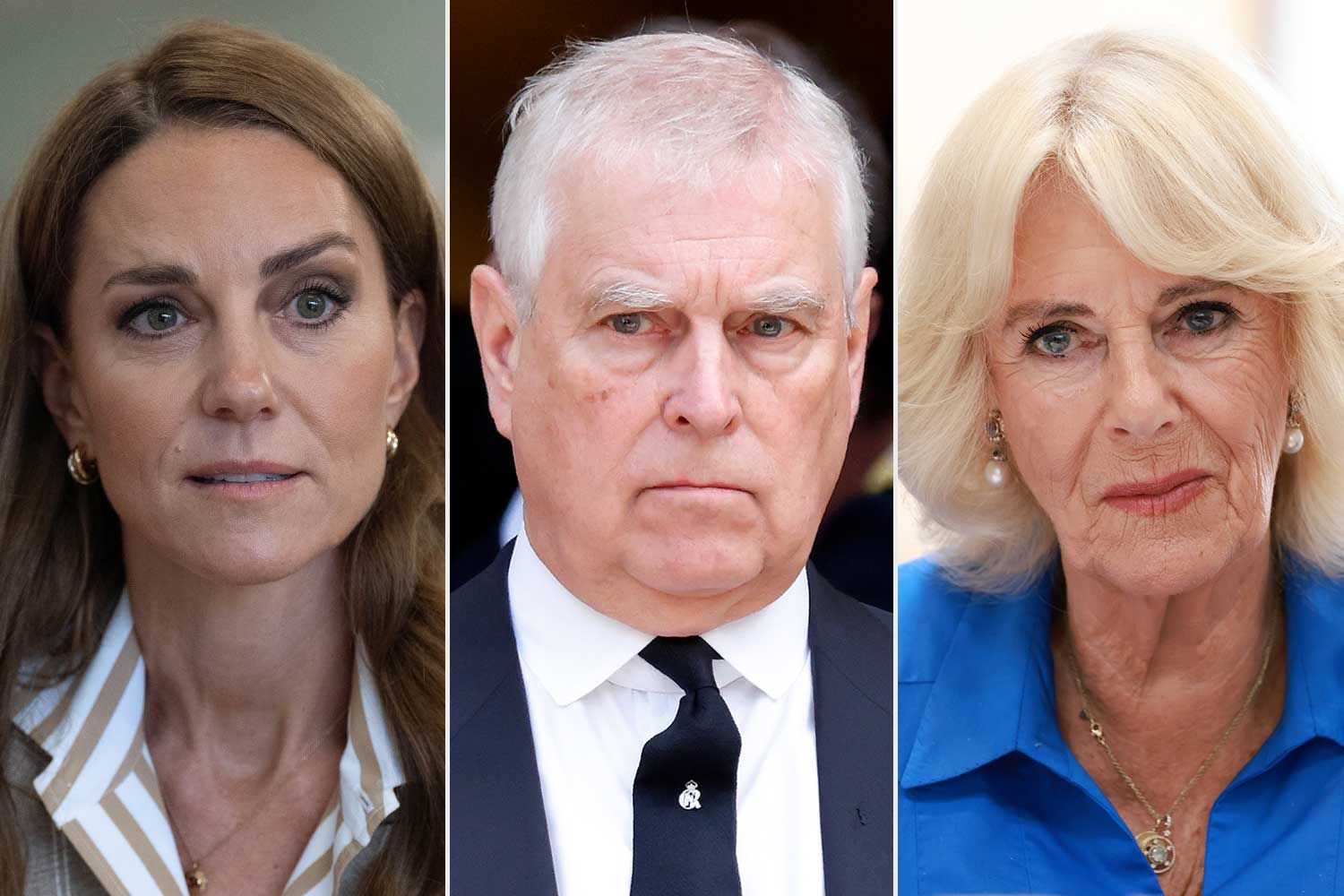
Sources close to the palace have indicated that the move to remove Andrew’s titles was a collective family decision, with strong support from Queen Camilla and Prince William. Kate Middleton’s involvement was described as adding a “female touch” to the palace’s statement, reflecting her growing role in shaping the monarchy’s public narrative.
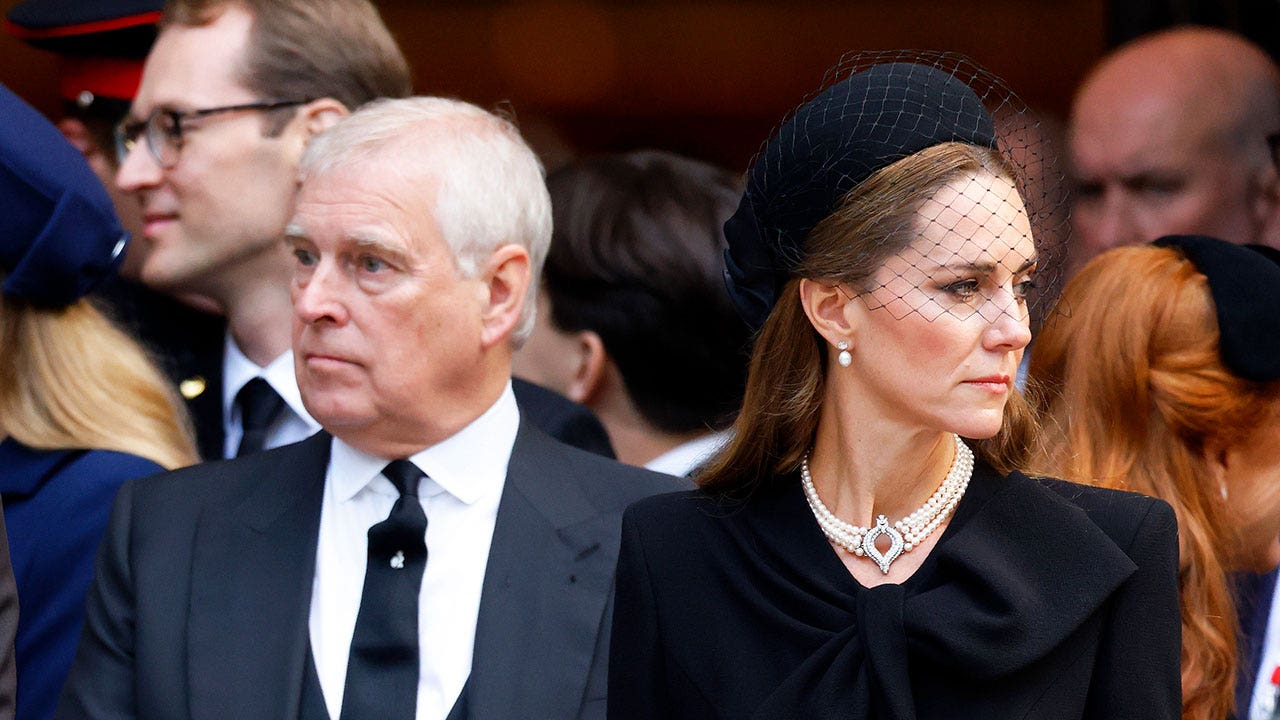
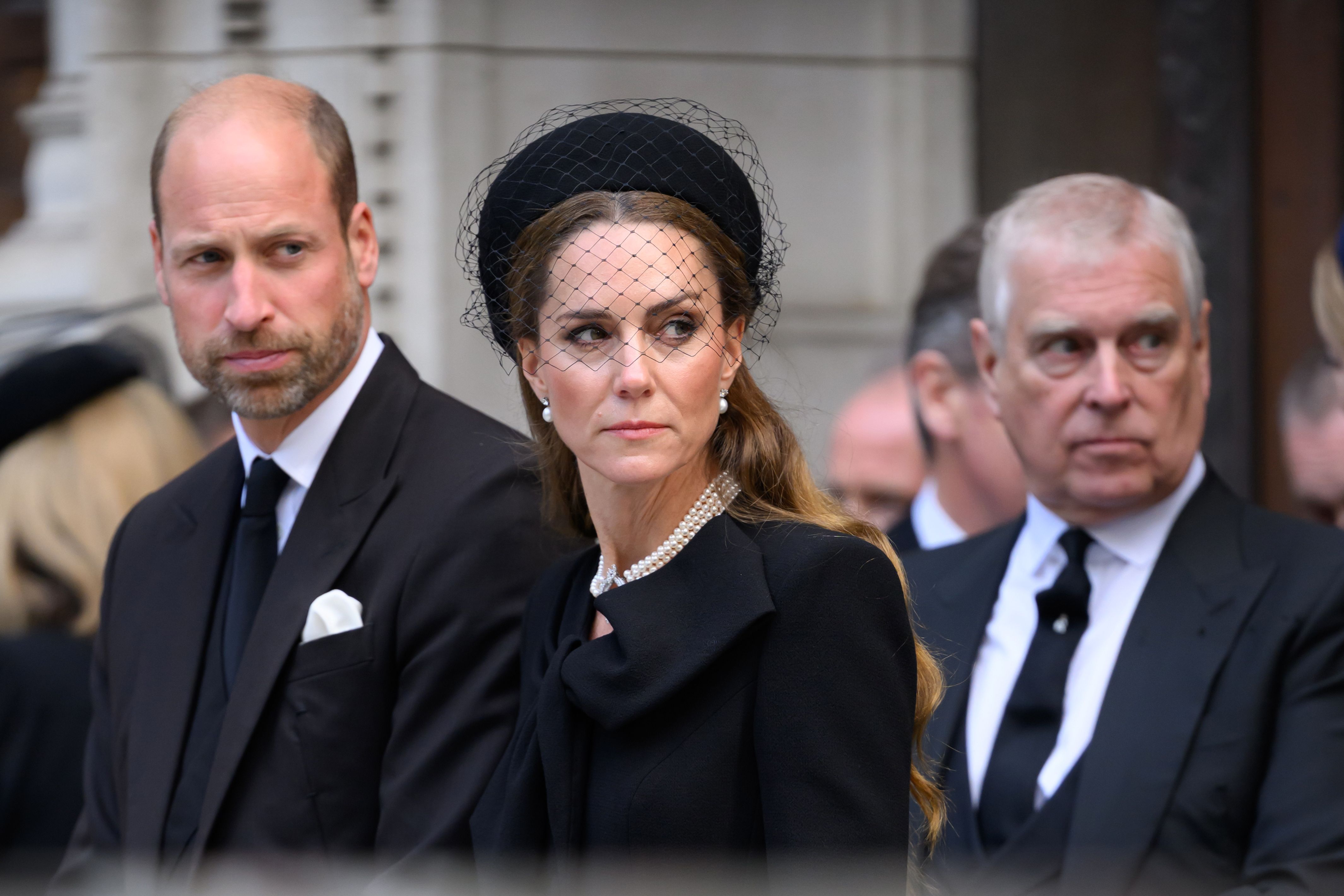
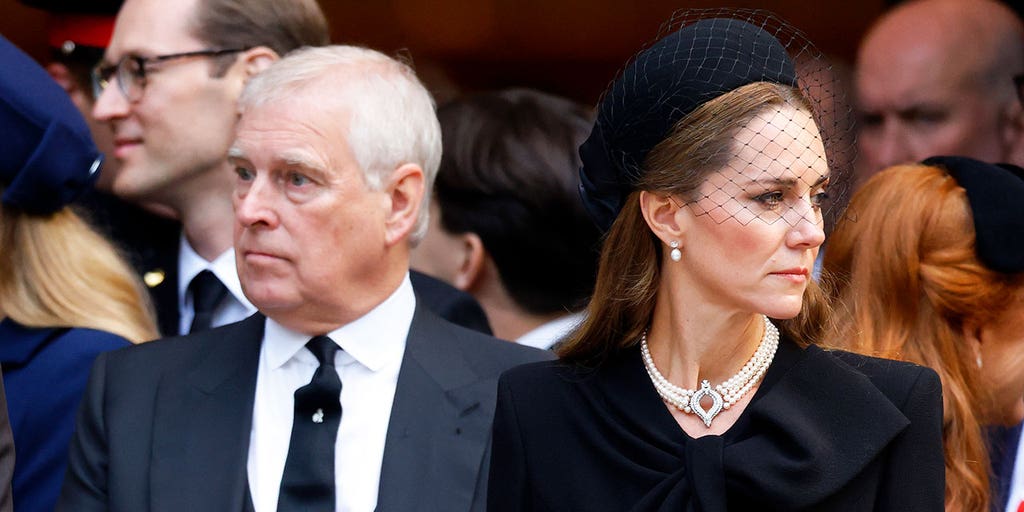
Kate’s relationship with Prince Andrew has reportedly been strained for years. Allegations surfaced that Andrew made disparaging remarks about Kate to Prince William, which escalated tensions between uncle and nephew. This familial discord, combined with Andrew’s controversial public image, made his continued association with royal honours untenable in the eyes of the senior royals.
Royal expert Helena Chard emphasized that Kate and William have taken on increased responsibilities to support King Charles, who is currently undergoing cancer treatment. Their proactive approach aims to prevent any controversies from overshadowing the monarchy’s future. Chard described Kate as a “peacemaker” and a “woman in control of her agenda,” highlighting her ability to navigate complex family dynamics while maintaining a strong public presence.
Further insights from British royals expert Hilary Fordwich reveal that Kate has been instrumental in decisions regarding the royal family’s internal arrangements, including urging King Charles to distance Andrew from the Prince and Princess of Wales’ residence, Forest Lodge. This move was part of a broader strategy to minimize distractions and protect the monarchy’s reputation.
Royal historian Richard Fitzwilliams also credited Kate with influencing the tone of official royal communications, noting her role in crafting statements that emphasize the family’s commitment to victims of abuse. Alongside Queen Camilla, who has a personal history of advocacy against domestic violence and assault, Kate’s involvement underscores a united front within the royal family on issues of accountability and justice.
Kate Middleton’s Rising Influence and the Future of the Monarchy

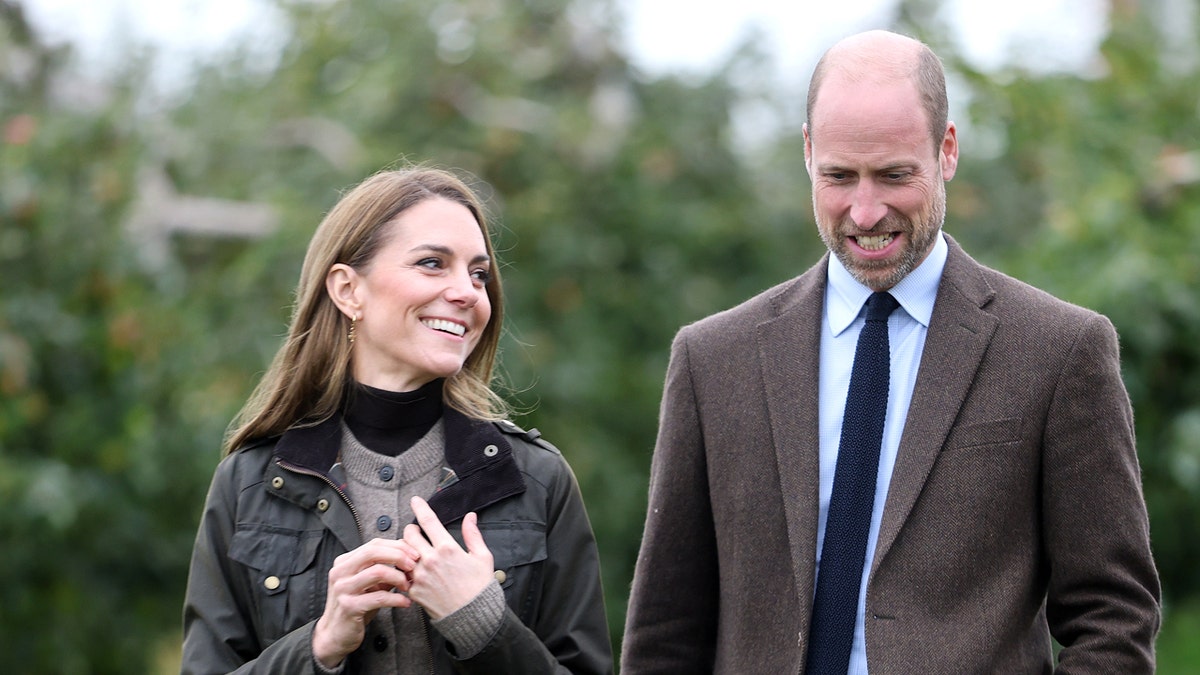
Kate Middleton’s evolution from a beloved public figure to a respected senior royal has been marked by her dedication to her family and her strategic acumen. Her partnership with Prince William is characterized by mutual respect and shared vision for the monarchy’s future. Together, they have embraced a modernized approach to royal duties, balancing tradition with contemporary values.
The removal of Prince Andrew’s titles is seen as a necessary step to safeguard the monarchy from ongoing scandals that could undermine its legitimacy. Experts agree that Kate’s influence has been crucial in steering the royal family through turbulent times. Her ability to manage public perception, coupled with her commitment to her children’s future, positions her as a central figure in the monarchy’s ongoing evolution.
Royal author Andrew Lownie highlighted the longstanding tensions between Prince Andrew and the younger generation of royals, particularly regarding Kate’s rising prominence. Andrew’s alleged snobbery and jealousy toward Kate’s popularity and relatability contributed to a rift with Prince William, who has adopted a zero-tolerance stance on behaviour that could damage the royal brand.
As the monarchy faces new challenges, Kate Middleton’s role as the “power behind the throne” is more apparent than ever. Her influence extends beyond ceremonial appearances, shaping key decisions that impact the royal family’s legacy and public trust.
Conclusion
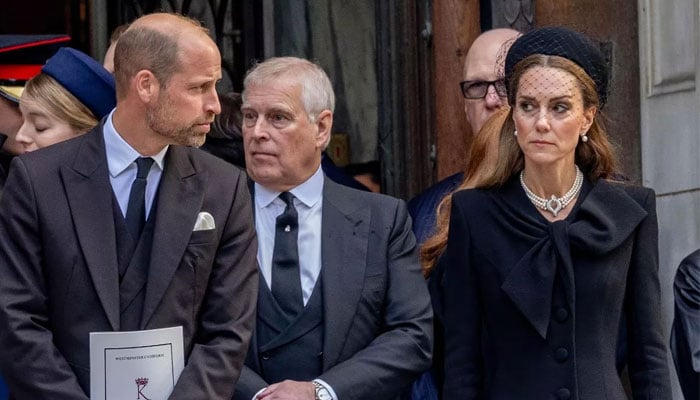
Kate Middleton’s support for King Charles in stripping Prince Andrew of his titles highlights her significant role within the royal family’s inner circle. As a steadfast protector of the monarchy’s future, Kate’s influence is instrumental in navigating complex family dynamics and safeguarding the institution’s reputation. Her dedication to her family and the crown underscores why she is often described as the “power behind the throne.” For those interested in the evolving story of the British monarchy and Kate Middleton’s pivotal role, stay tuned for more updates and expert insights.
If you want to stay informed about the latest royal developments and exclusive analyses, subscribe to our newsletter today!