Prince Andrew Vanishes from Royal Website After King Charles Strips All Titles and Honors
King Charles Removes Prince Andrew’s Titles and Honors Amid Controversy
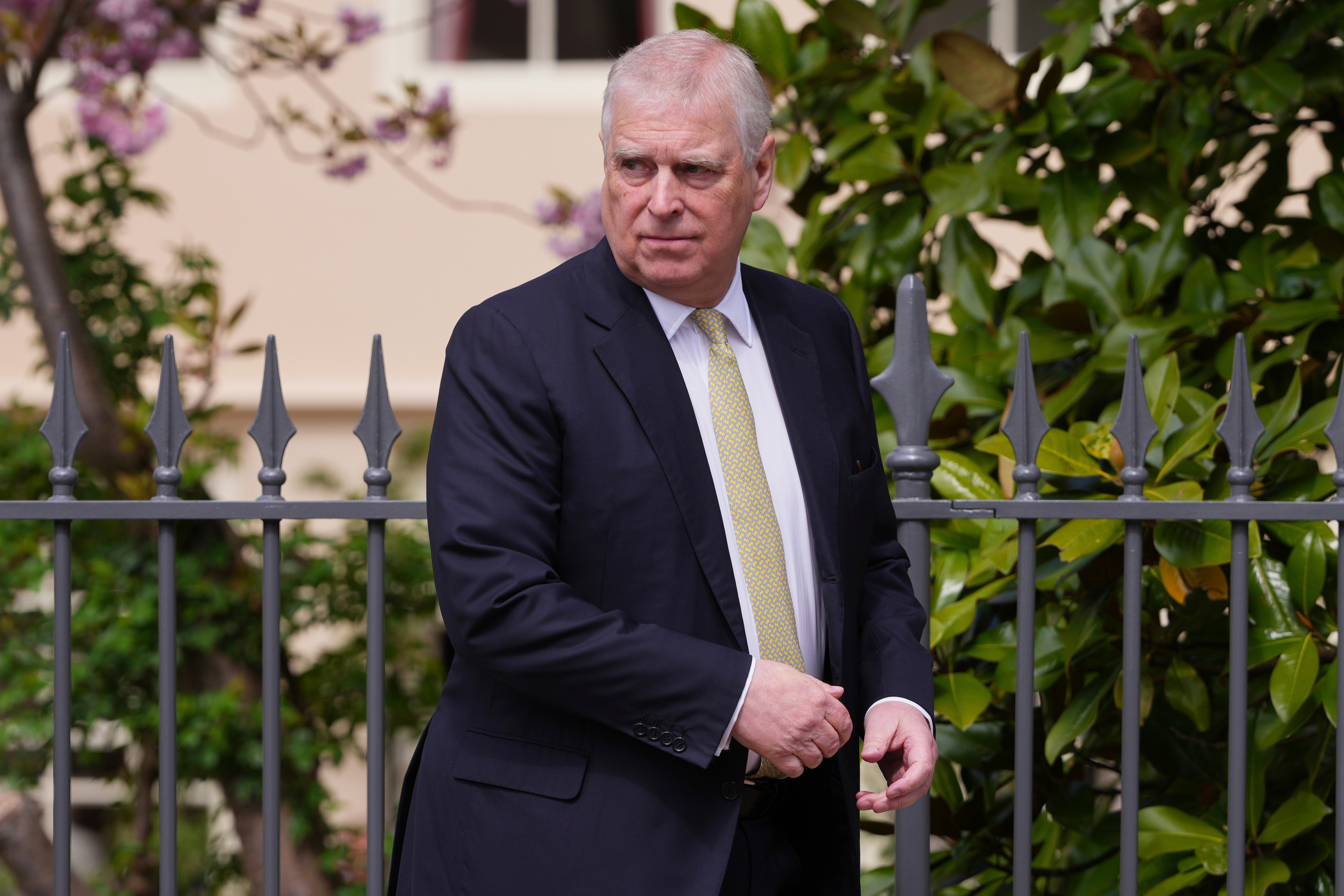
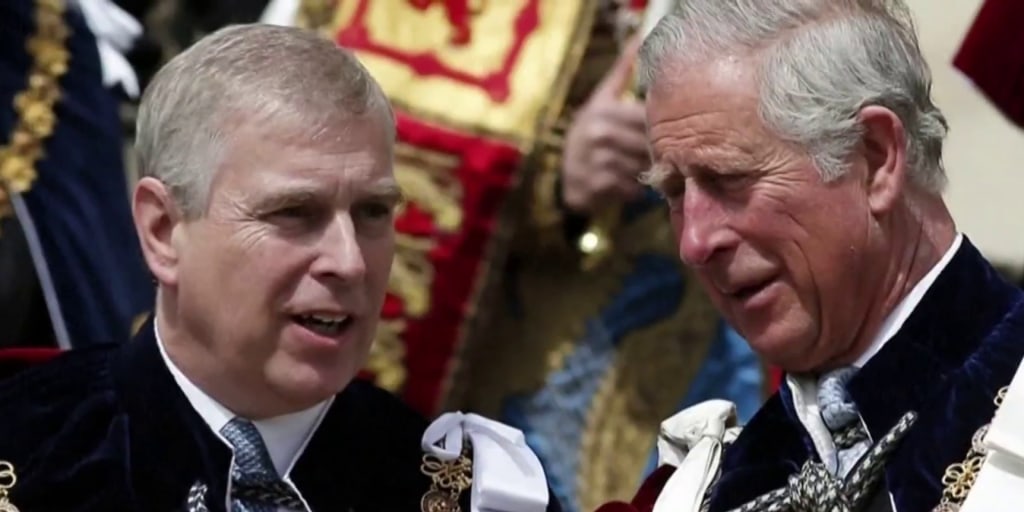
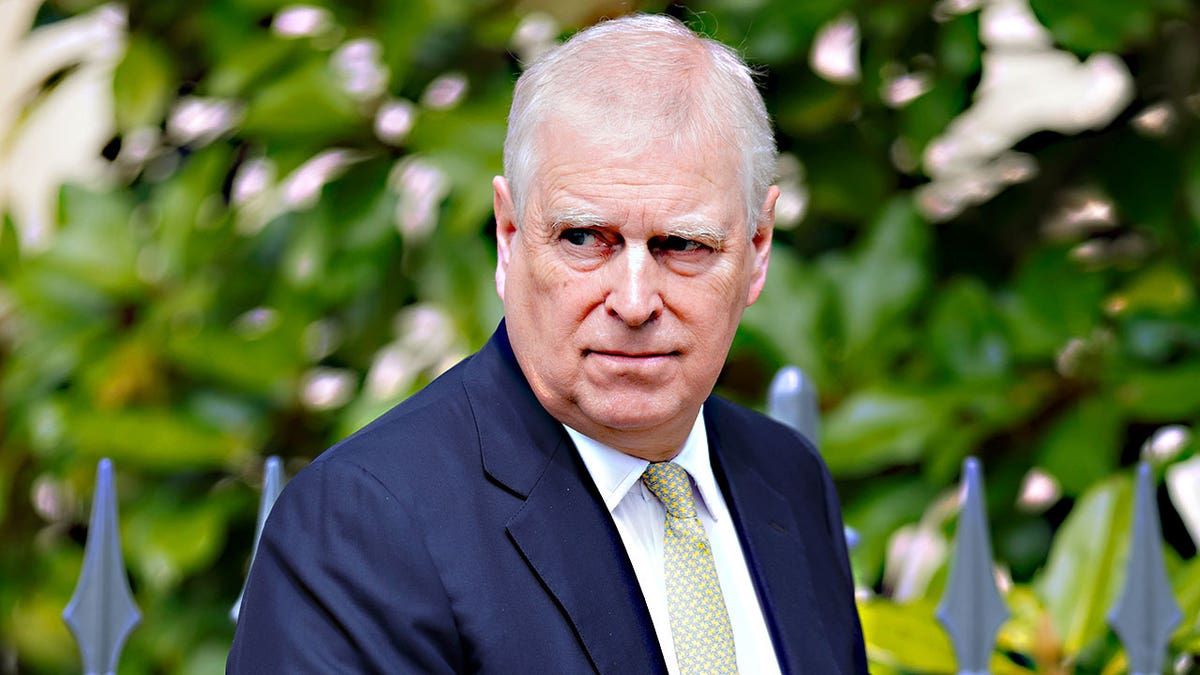
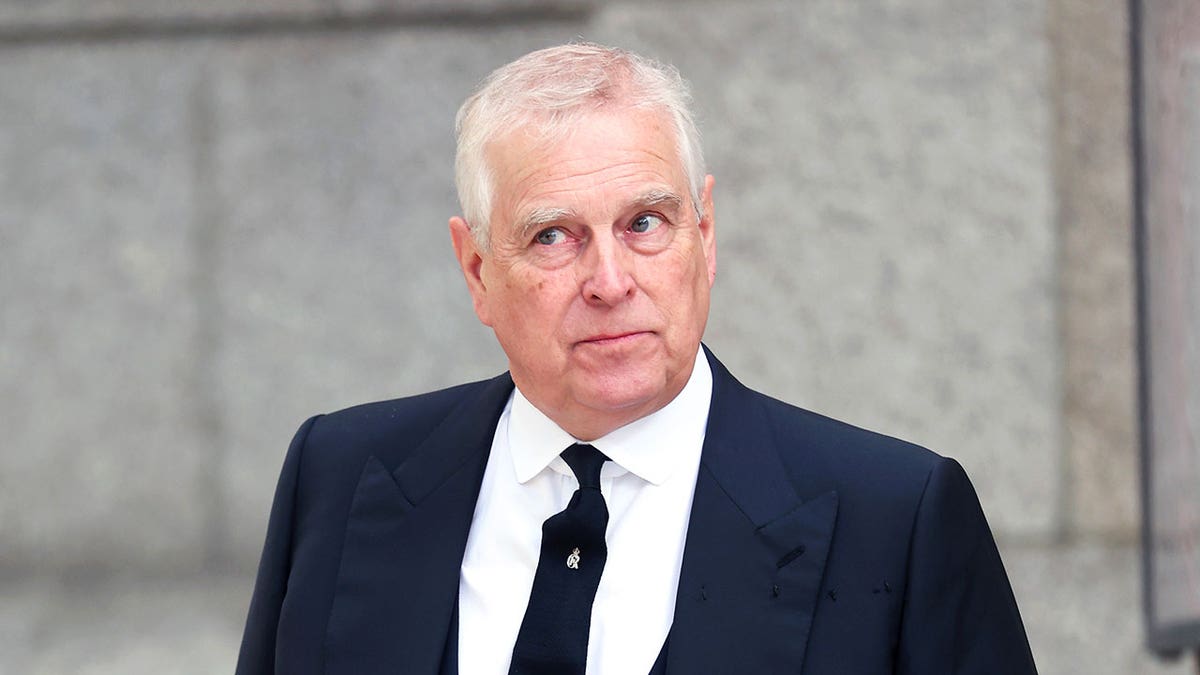
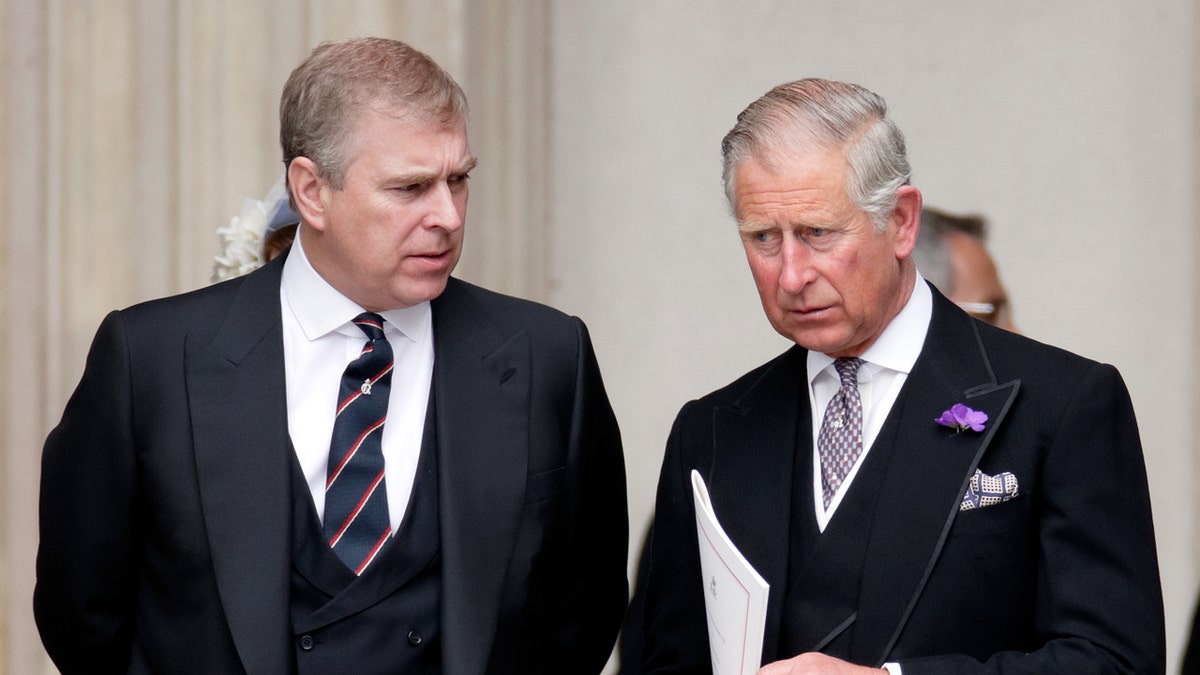
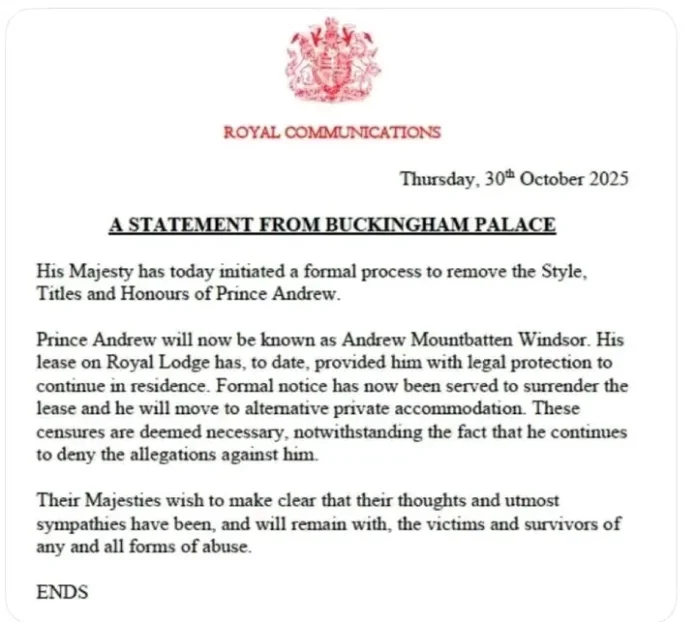
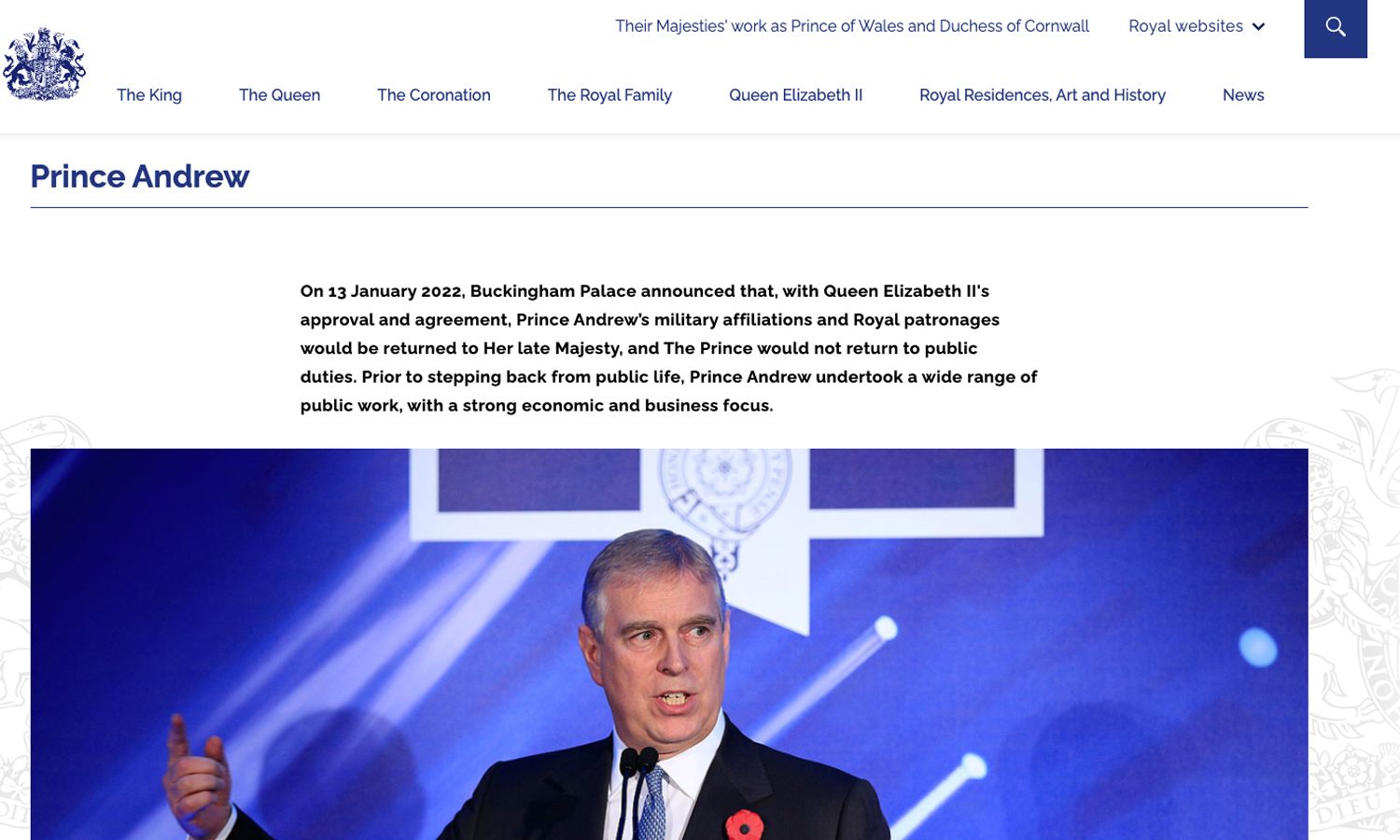
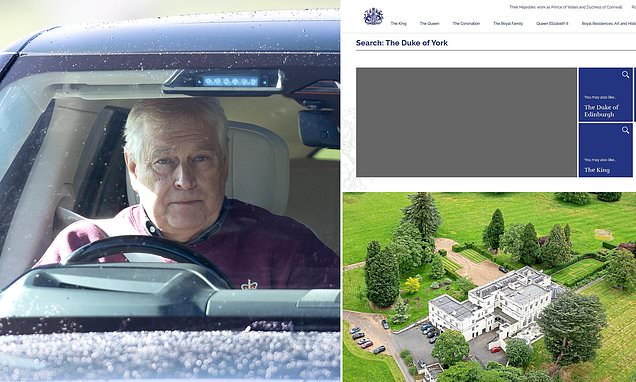
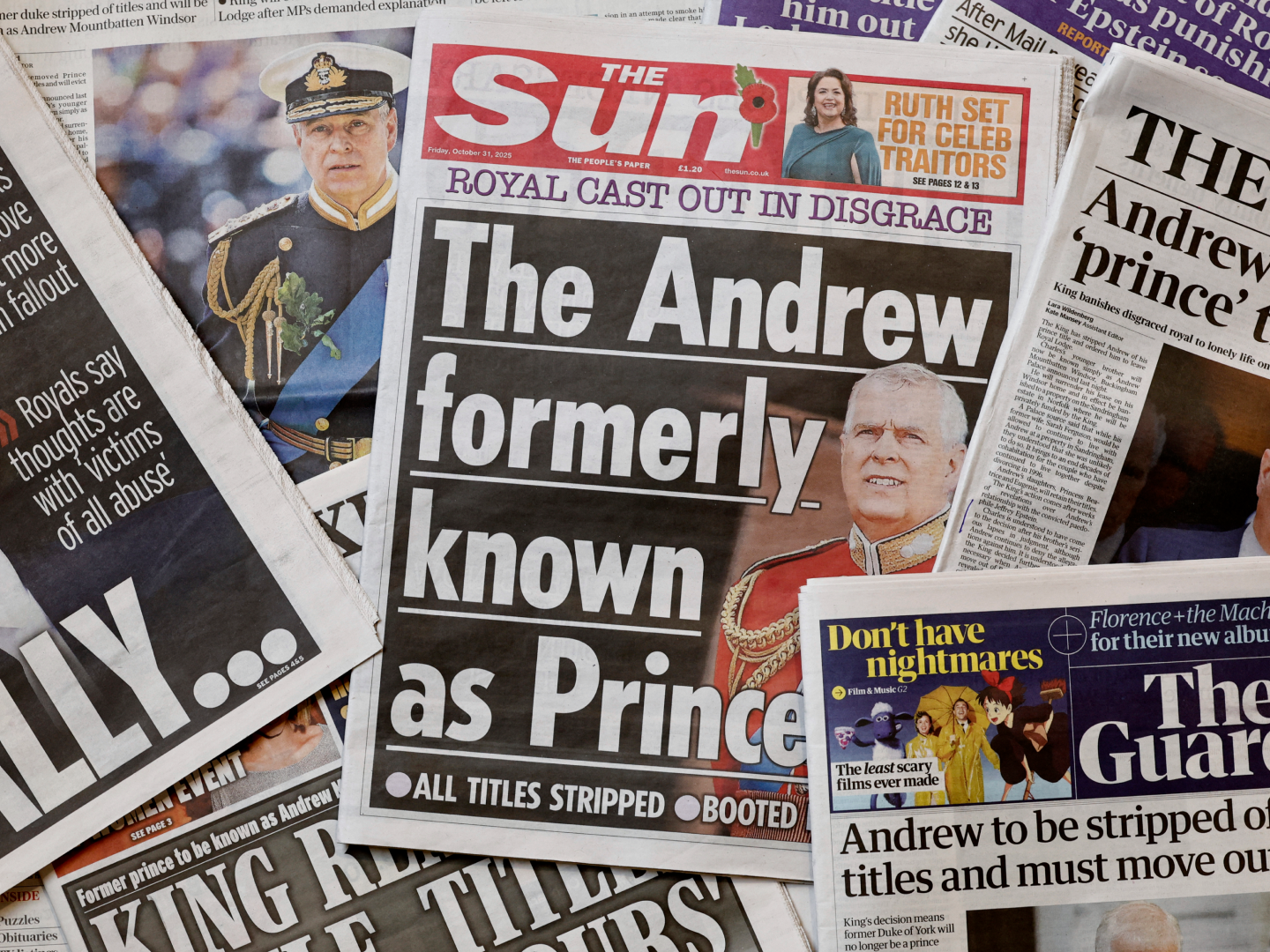
One week after King Charles III initiated the formal procedure to revoke Prince Andrew’s royal style, titles, and honors, the Duke of York’s name was conspicuously absent from the official royal website. Buckingham Palace confirmed on October 30 that Prince Andrew will now be referred to as Andrew Mountbatten Windsor, signaling a clear departure from his former royal status.
The palace statement also revealed that Prince Andrew’s lease on Royal Lodge, which until now allowed him to reside there with legal protection, has been formally terminated. He is expected to relocate to private accommodation outside of royal property. This development underscores the seriousness with which the monarchy is addressing the controversies surrounding the former prince.
Despite Prince Andrew’s continued denial of the allegations against him, Buckingham Palace deemed these measures necessary to maintain the dignity and reputation of the royal family. The removal of his biography and references from the royal website by November 3 marked a definitive step in distancing the institution from the Duke of York.
The Impact of Prince Andrew’s Removal from the Royal Website
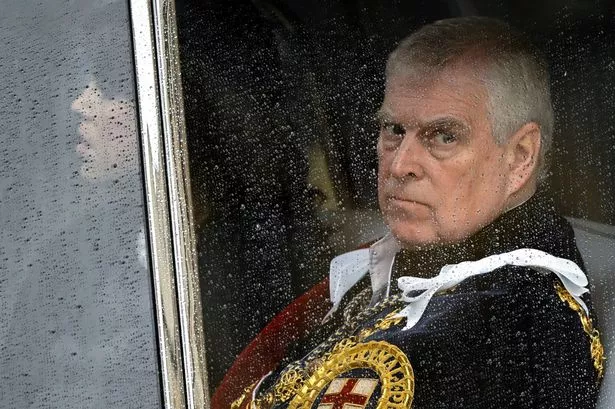
Previously, Prince Andrew’s biography on the royal website included details about his service in the Royal Navy, his marriage to Sarah Ferguson in 1986, their subsequent divorce in 1996, and information about their two daughters, Princess Beatrice and Princess Eugenie, as well as their grandchildren. This comprehensive profile was a testament to his once-prominent role within the royal family.
However, following the revocation of his titles, all such references have been removed, symbolizing his exclusion from official royal duties and public representation. Buckingham Palace has not issued further comments regarding this removal, but the message is clear: Prince Andrew no longer holds any formal place within the monarchy.
This action follows Prince Andrew’s announcement on October 17 that he was relinquishing his Duke of York title. This announcement came in the wake of the publication of an unauthorized biography titled “The Rise and Fall of the House of York” by British author Andrew Lownie, which shed light on the former prince’s troubled legacy.
Background: The Controversies Surrounding Prince Andrew
Prince Andrew’s fall from grace is largely tied to his association with the disgraced financier Jeffrey Epstein, a convicted sex offender. The relationship between Andrew and Epstein has been under intense scrutiny, especially after Epstein’s death in 2019 while in custody.
During a 2019 BBC “Newsnight” interview, Prince Andrew attempted to address his friendship with Epstein but failed to convince the public, particularly when he denied remembering meeting Virginia Roberts Giuffre, one of Epstein’s victims who accused Andrew of sexual misconduct when she was a minor. This interview was widely criticized and led to Andrew stepping back from public life.
Virginia Roberts Giuffre filed a lawsuit against Prince Andrew in 2021, alleging that she was forced to have sex with him on multiple occasions, including when she was 17 years old. The lawsuit was settled in 2022 for an undisclosed amount, though the allegations have continued to cast a shadow over the former prince’s reputation.
The royal family has expressed sympathy for the victims and survivors of abuse, emphasizing their commitment to justice and accountability. King Charles III’s decisive action to strip Prince Andrew of his titles reflects this stance and the monarchy’s effort to distance itself from scandal.
What This Means for the British Monarchy
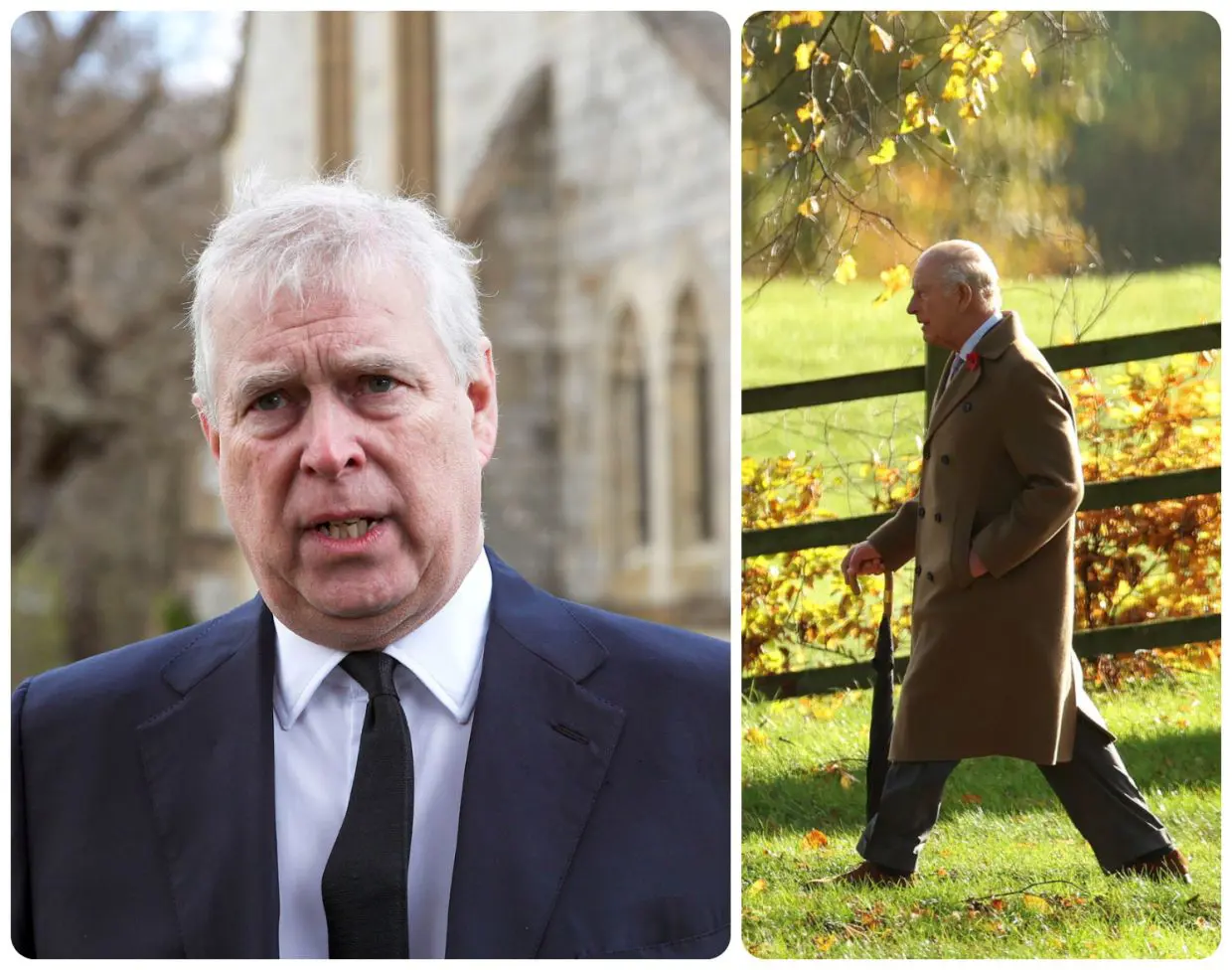
The removal of Prince Andrew’s titles and his disappearance from the royal website represent a significant moment for the British monarchy. It signals a willingness to take firm action against members whose conduct threatens the institution’s integrity.
King Charles III’s decision also highlights the evolving nature of the monarchy in the 21st century, where public accountability and ethical standards are increasingly prioritized. By formally severing ties with Prince Andrew, the royal family aims to restore public trust and demonstrate a commitment to upholding moral values.
This move also serves as a warning to other members of the royal family about the consequences of behavior that could damage the monarchy’s reputation. It reflects a broader trend of modernization and reform within the royal institution under King Charles’s reign.
Looking Ahead: Prince Andrew’s Future Outside the Royal Family
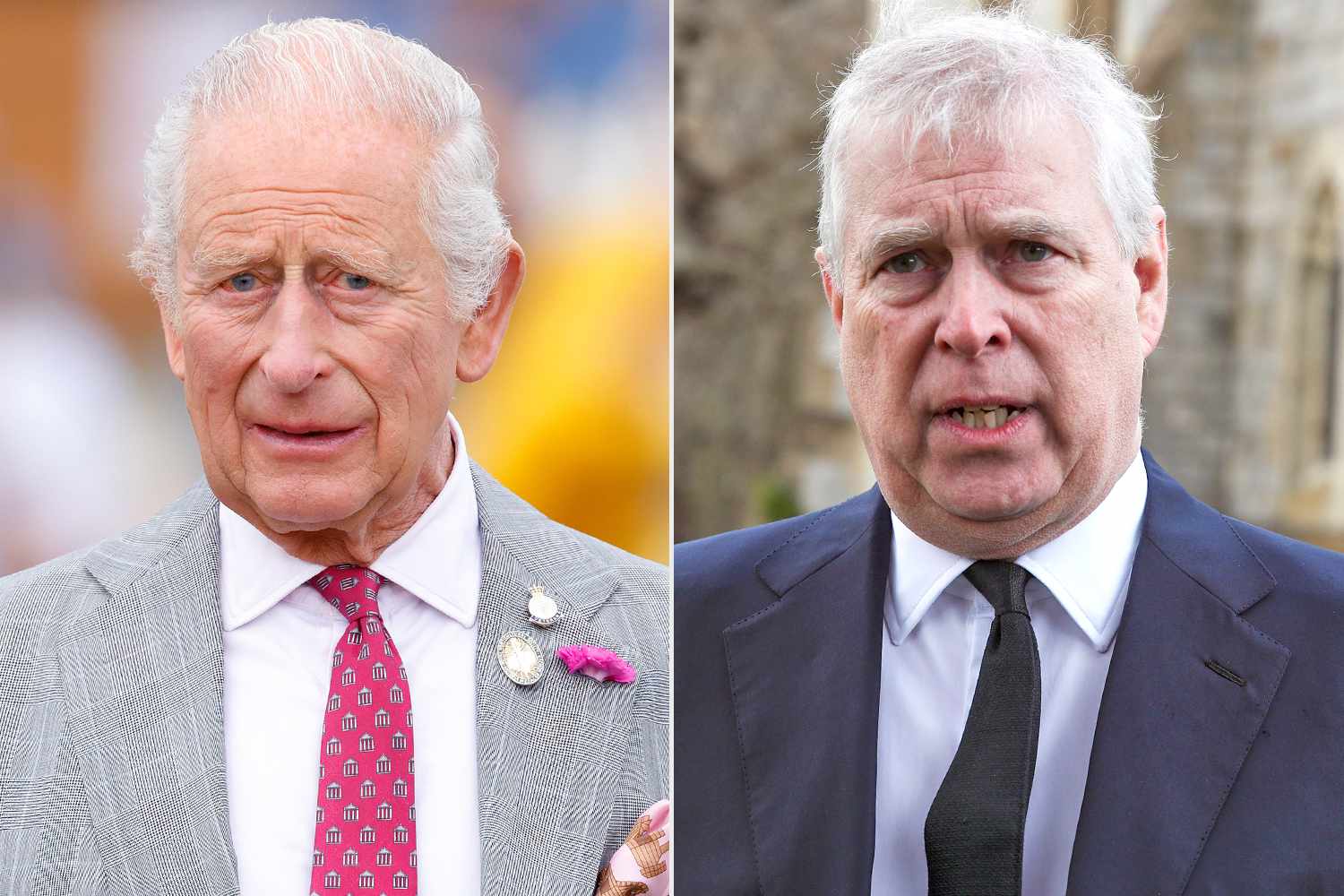
With his titles revoked and his presence erased from official royal platforms, Prince Andrew faces an uncertain future. The termination of his lease at Royal Lodge means he will no longer live on royal property, further isolating him from the family’s inner circle.
While he retains his personal name, Andrew Mountbatten Windsor, his role as a public figure connected to the monarchy has effectively ended. The former duke’s next steps remain unclear, but it is evident that his life will now be lived largely away from the spotlight of royal duties.
The royal family, meanwhile, continues to focus on healing and moving forward, with King Charles III leading efforts to strengthen the monarchy’s relevance and respectability in a changing world.
Conclusion
Prince Andrew’s removal from the royal website and the stripping of all his titles and honors by King Charles III mark a pivotal moment in the British monarchy’s history. This decisive action reflects the royal family’s commitment to accountability and preserving its dignity amid serious controversies. As the monarchy moves forward under King Charles’s leadership, it is clear that maintaining public trust and ethical standards will remain paramount. Stay informed about the latest developments in the royal family by subscribing to our newsletter and following trusted news sources for ongoing updates.