Francis Ford Coppola Says “Bram Stoker’s Dracula” Is ‘Like Its Main Character, Refusing to Die’ Ahead of Halloween
Francis Ford Coppola’s 1992 adaptation of Bram Stoker’s Dracula remains a standout in the horror genre, celebrated for its unique blend of gothic romance and innovative filmmaking. As Halloween draws near, the legendary director revisits his work on the film, highlighting how it continues to captivate audiences decades later. Coppola likens the movie to its immortal protagonist—refusing to fade away despite the passage of time. This article explores the enduring legacy of Bram Stoker’s Dracula, Coppola’s creative choices, and why this film remains a Halloween favorite.
The Enduring Legacy of Bram Stoker’s Dracula

Bram Stoker’s Dracula, directed by Francis Ford Coppola, premiered in 1992 and quickly became a cult classic. Unlike many modern horror films that rely heavily on digital effects, Coppola’s Dracula embraced traditional filmmaking techniques that paid homage to the era in which the original novel was written. Coppola’s dedication to authenticity and craftsmanship has ensured that the film remains timeless, much like the vampire it portrays.
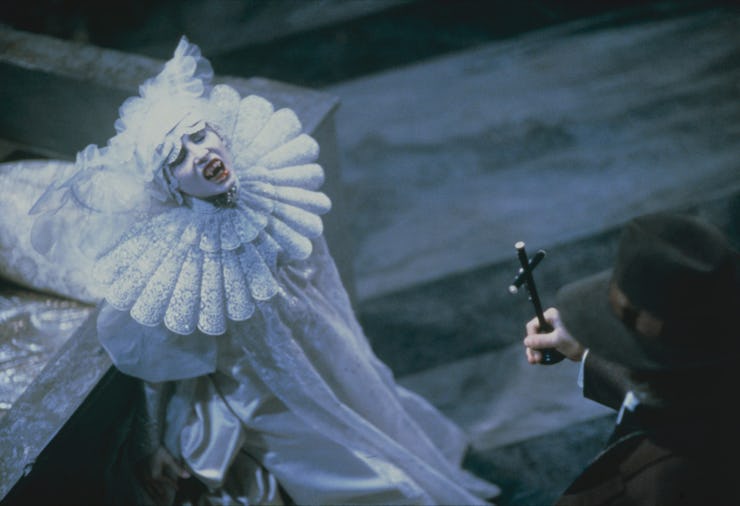
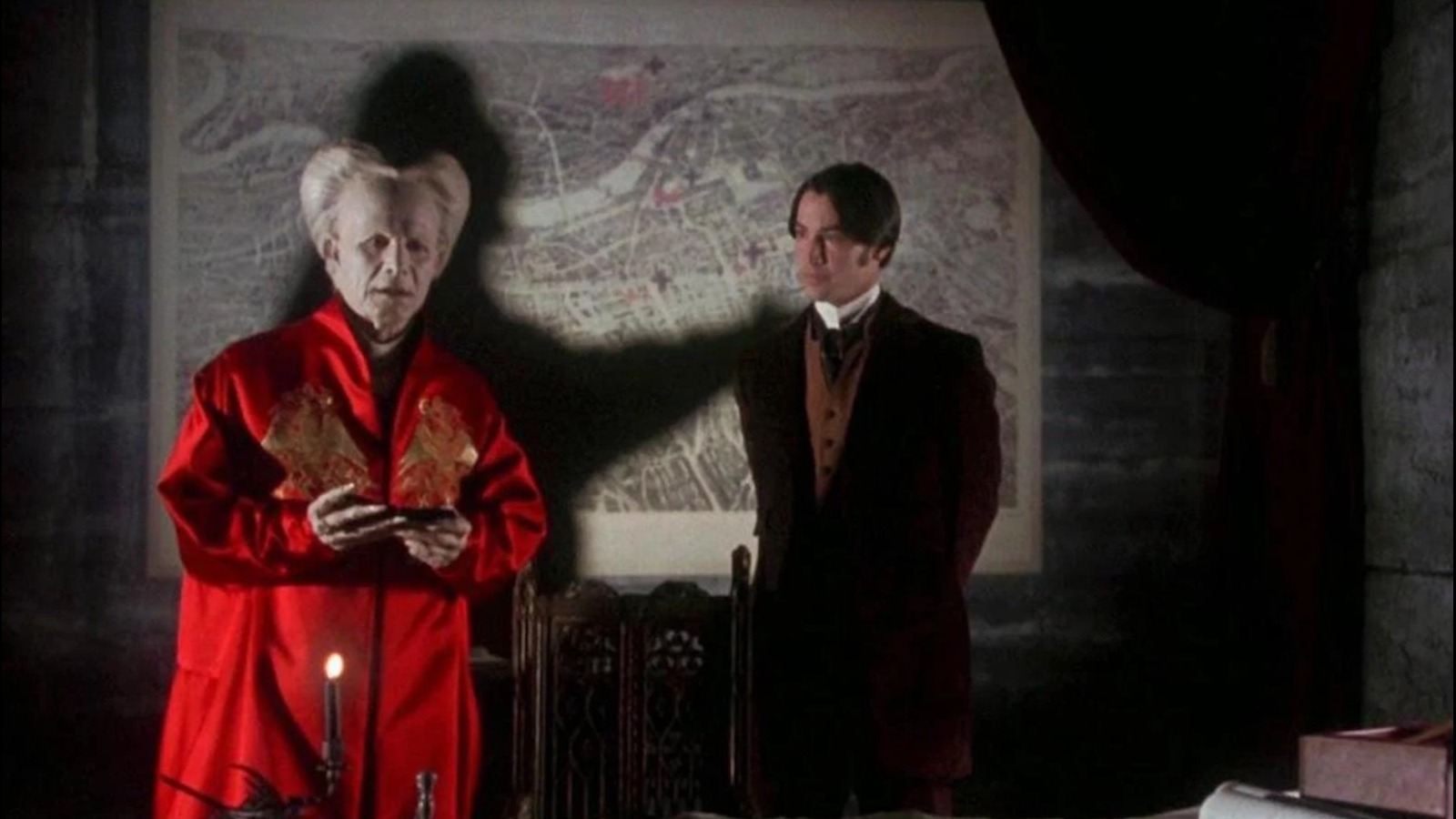
Coppola has often spoken about how the film’s production mirrored the birth of cinema itself. He explained that since Bram Stoker wrote Dracula at the dawn of motion pictures, the film was crafted using practical effects reminiscent of early filmmakers like Georges Méliès. This approach involved live-action illusions and multiple passes on the film negative, eschewing the digital effects that dominate today’s cinema. Coppola’s son, Roman Coppola, led a team of on-set live effects artists, supported by storyboard artists, to bring this vision to life.
This commitment to traditional effects gives Bram Stoker’s Dracula a distinctive visual style that sets it apart from other vampire movies. The film’s rich, textured aesthetic and atmospheric storytelling continue to resonate with audiences, making it a perennial favorite during the spooky season.
Behind the Scenes: Casting and Memorable Moments

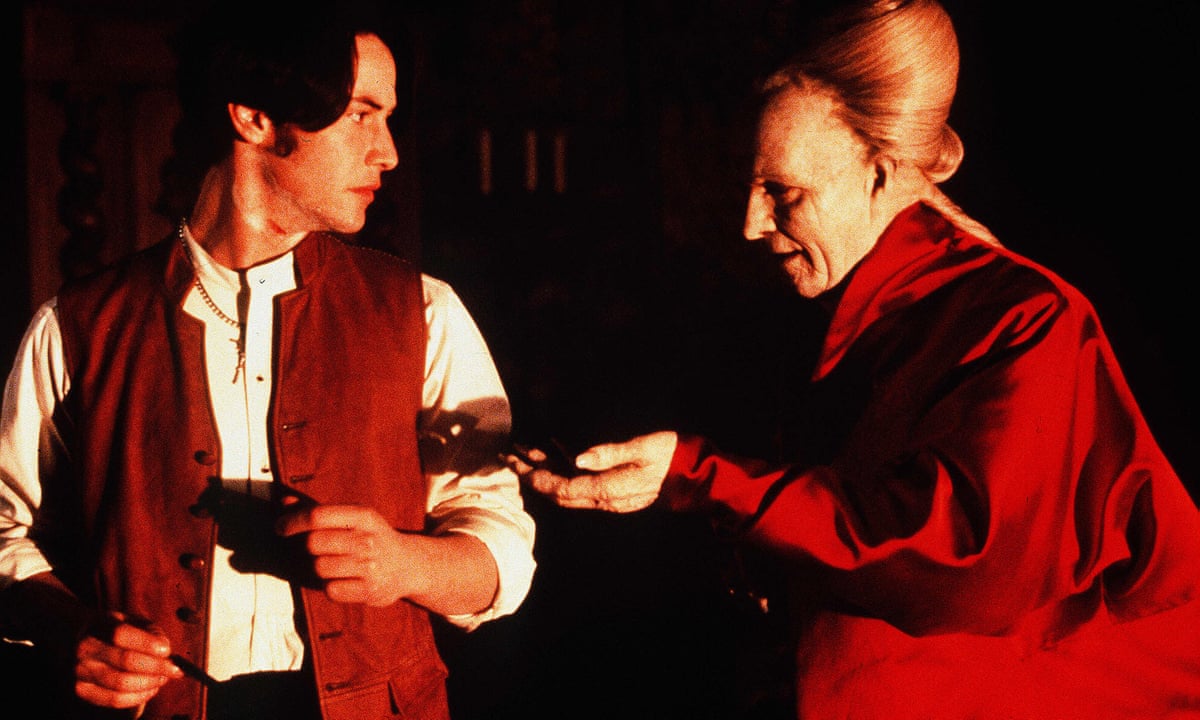
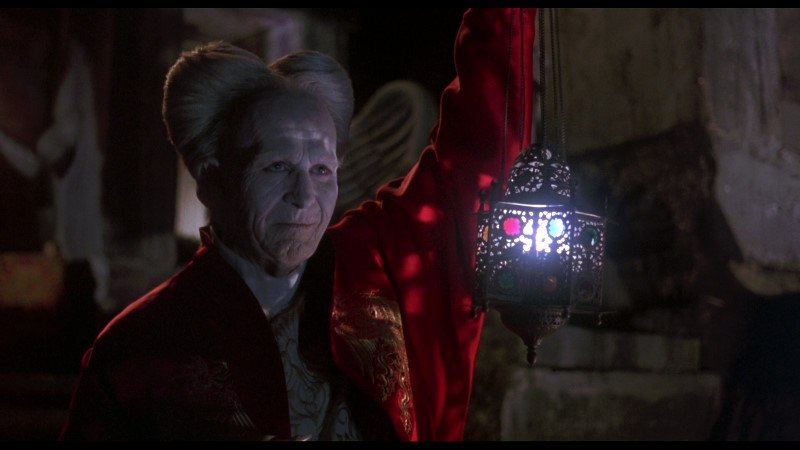
The film’s cast played a significant role in its lasting appeal. Gary Oldman’s portrayal of Count Dracula is widely regarded as one of the most iconic vampire performances in cinematic history. His ability to embody both the monstrous and tragic facets of the character added depth to the film’s narrative.
Winona Ryder and Keanu Reeves starred as Mina Murray and Jonathan Harker, respectively. Their on-screen chemistry was enhanced by a unique behind-the-scenes fact: the wedding scene in the film was performed by a real Romanian priest, making their characters’ marriage ceremony authentic. Ryder has shared in interviews that this experience was so genuine that she and Reeves jokingly consider themselves married under the eyes of God.
The film’s blend of romance, horror, and historical elements, combined with its authentic production methods, helped Bram Stoker’s Dracula carve out a special place in the hearts of fans. It’s a film that Coppola continues to take pride in, especially as it approaches its 33rd anniversary.
Why Bram Stoker’s Dracula Remains Relevant Today
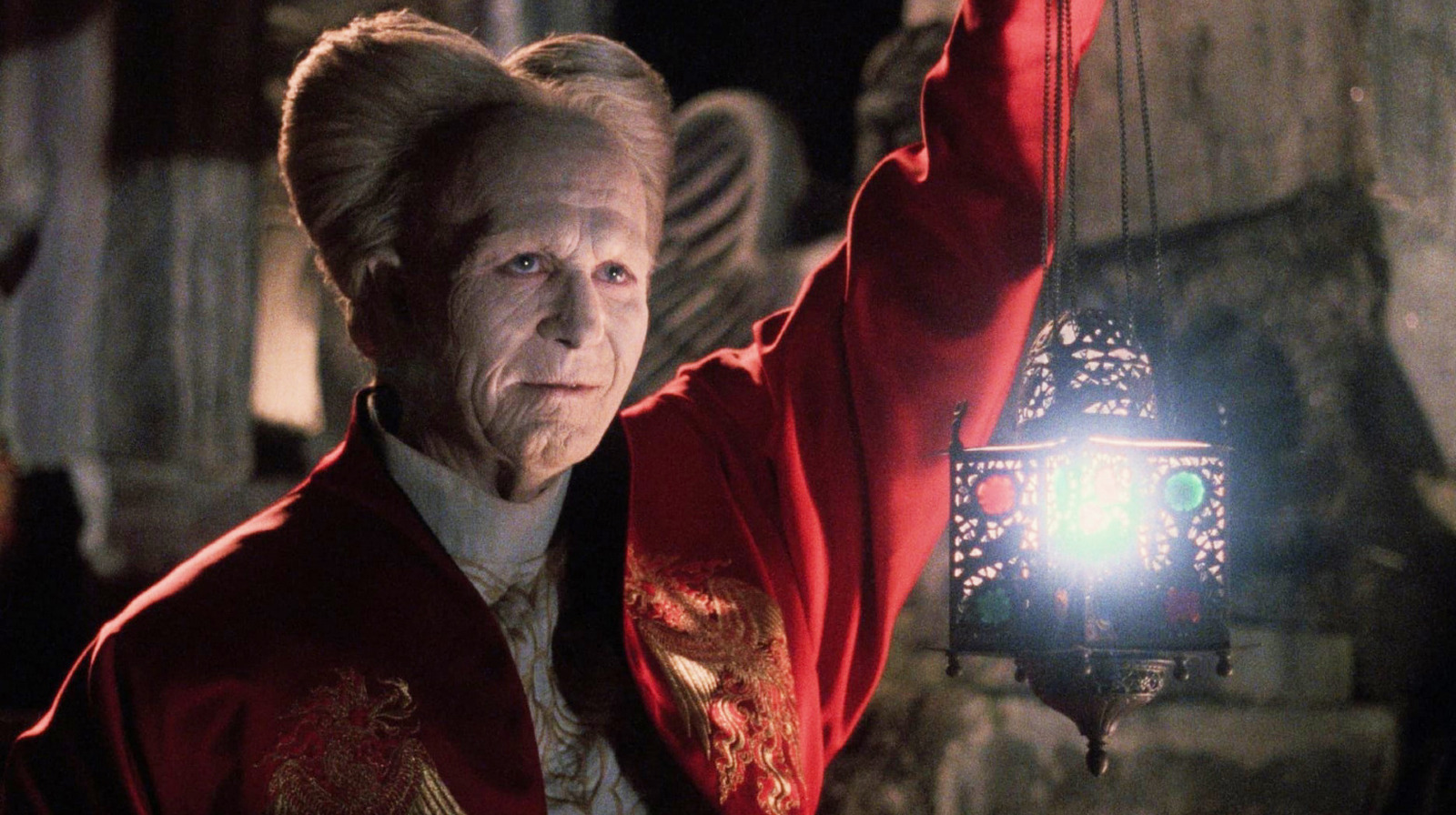
In an era dominated by CGI and fast-paced storytelling, Bram Stoker’s Dracula stands as a testament to the power of classic filmmaking. Coppola’s choice to reject digital effects in favor of practical illusions has given the film a timeless quality that modern audiences appreciate. The movie’s rich narrative, combined with its visual artistry, creates an immersive experience that feels both nostalgic and fresh.
Moreover, the themes explored in Bram Stoker’s Dracula—love, immortality, and the struggle between good and evil—are universal and continue to resonate. Coppola’s adaptation honors the original novel’s spirit while adding layers of emotional complexity, making it more than just a horror film.
As Halloween approaches, fans and new viewers alike revisit Bram Stoker’s Dracula, drawn by its haunting beauty and compelling storytelling. Coppola’s reflection on the film as “refusing to die” is a fitting metaphor for its place in cinematic history and popular culture.
Conclusion
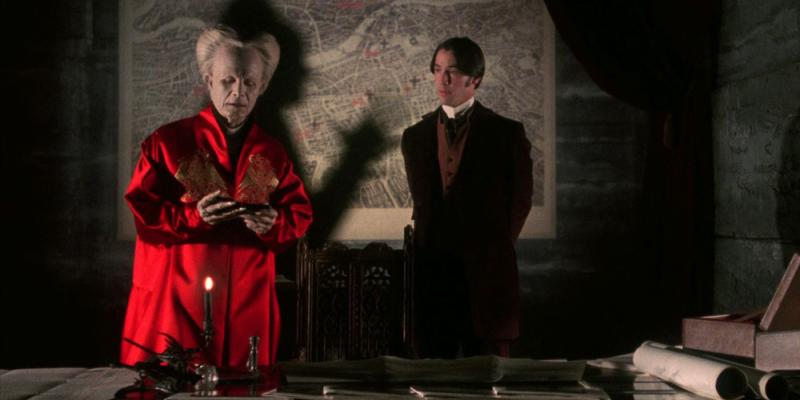
Francis Ford Coppola’s Bram Stoker’s Dracula is more than a film; it’s a living piece of cinematic art that continues to captivate audiences decades after its release. Its refusal to succumb to the trends of modern filmmaking and its dedication to traditional techniques have cemented its status as a timeless classic. As Halloween nears, there’s no better time to experience this masterpiece that, like its immortal protagonist, refuses to die.
If you haven’t seen Bram Stoker’s Dracula recently, now is the perfect moment to watch or rewatch this iconic film. Dive into the world Coppola created and discover why it remains a beloved staple of the spooky season. Don’t miss out—embrace the magic and mystery of Dracula this Halloween!